
Support our work with a small donation:
[wpedon id=1213]

Hi there! You are probably here because you saw us on TikTok or maybe we have finally made it to the top of Google search. But we definitely know that you are here because you want to learn Japanese by reading manga, specifically My Hero Academia!
Here we are doing everything Plus Ultra! And we decided to put a big focus on everyone’s favourite Kanji this time! Personally, we think that it is way better to learn words first and follow them with kanji, as it allows you to progress faster, but everyone is telling us KANJI KANJI KANJI, so here it is! We put together a vocabulary of 500 or something words and almost 250 kanji from Volume 1 Chapter 1 of Boku no academia!
Wait wait wait do NOT get overwhelmed just yet! Chapter 1 is always unnecessary long (twice the size of other chapters), thus, a big vocab and kanji list! If you make it through chapter 1 with us, the rest will be a stroll in a park for you!
You will quickly find out that you MUST have basic Japanese knowledge before you attempt to learn with manga, i.e. know the alphabet (if you haven’t started check out our hiragana course), basic sentence patterns and some particles! If you already are learning Japanese with textbooks and want to spicy things up and do something fun, you are in the right place! To be completely honest, this manga would be the best fit for someone doing JLPT N3 level, and easy-peasy-lemon-squeezy for those who have a higher knowledge of Japanese!
Do you think I can still learn with manga if I’m N5 or N4? Absolutely! Here is the thing, you can Google, and have シロクマカフェ or ドラえもん recommended as the best manga for your level. But will you seriously enjoy reading it and keep using it? We think the best way and sometimes the fastest way to learn is by using materials (manga and anime) that you actually enjoy and will want to read and deconstruct even if you need to use Google and a dictionary (we recommend using Google translate for phrases and context and jisho.org for separate words)! Oh, not to forget, the grammar is pretty straightforward, so if you only around N4, you will be fine, we promise!
Use the tools we provid, stick to your level and take it easy! You do not have to understand every single word, grammar point or kanji to advance your Japanese in an easy and fun way! Use critical thinking to figure out which words and kanji you NEED to learn and do not worry about the rest!
Remember when you were a little kid and stumbled upon a foreign channel and would watch cartoons in maybe French without a worry in the world, yet still, understanding the overall concept? Yes! Use this approach when taking your first steps when trying to learn Japanese with manga or anime! 頑張って!

Learning Materials
CHAPTER 1
Chapter 1 focuses on setting the scene and introducing the one and only デク! If you want to refresh your memory and ease into learning, we recommend you watch the first 2 episodes of My Hero Academia. You can watch the on Netflix in Japanese, but only with English subtitles.
A quick fun fact that we noticed, before starting… In the English version, and anime the high school that everyone wants to get into is called U.A. Highschool. In Japanese manga, it is called 雄英高校 (高校 – high school). 雄英 (ゆうえい) does not really have a meaning, however, when you swap kanji around – 英雄 (えいゆう), it means “hero”.
VOCABULARY
Here is a 250 word vocabulary from Chapter 1. Bare in mind, these are not ALL the words from the chaoter, as that would’ve been overwhelming. But no be afraid to research the words you are interested in by yourself. We divided all the words into JLPT levels. In Popular words we added words that we think you would want to know as they are either very common in Japanese, frequent in this particular manga or didn’t fit into 3 JLPT leveles, but we thought you should still know about them. We also added words that are written in Katakana in this chapter.
You can find 250 more vocabulary words from this chapter in the KANJI section of this page.
Tip: regardless of your device (computer or phone), if you highlight words with your mouse, the website will read out the words for you in Japanese. If it does not work, try refreshing your page.
Popular Words (〜 90 words)
- こせい (個性) – individuality; personality; quirk
- むこせい (無個性) – without a quirk
- ヴィラン (敵) – villain
- ざせつ (挫折) – setback, failure
- ちゅうごく (中国) – China
- ヒーリーか (ヒーロー科) – hero course
- しぼう (志望) – wish, desire, ambition
- げんそく (原則) – principle; general rule
- あこがれる (憧れる) – to long for; to yearn after; to admire; to be attracted by
- かくち (各地) – every place; various places
- おいつめる (追い詰める) – to corner; to drive to the wall
- じかんたい (時間帯) – period of time, time slot
- わかて (若手) – young person
- けんすう (件数) – number of events (e.g. accidents, crimes, meetings, housing starts, hits on a web page)
- むなしい (虚しい) – lifeless
- たしかに (確かに) – surely, certainly
- おまえ – you
- めちゃくちゃ – absurd; unreasonable
- じゅうあつ (重圧) – heavy pressure
- いつだって – always; all the time
- いっせんきゅう (一線級) – top notch
- だいさいがい (大災害) – great disaster
- おおもの (大物) – big shot; big name
- さとす (諭す) – to make (someone) understand (a fault, mistake, etc.)
- できそこない (出来損ない) – good-for-nothing; worthless person; flop
- なまいき (生意気) – cheeky, audacious
- ざわざわ – noisily (from many people talking)
- てめェ (or てめえ) – you (derogatory)
- おれ (俺) – I
- まきこむ (巻き込む) – to involve; to drag into
- 常 (つね) – usual state of things
- あなた – you
- 偽物 (ニセもの) – counterfeit; imitation
- しぼむ (萎む) – to fade (away); to sag; to deflate
- おそれしらない (恐れを知らない) – fearless
- おそれ (恐れ) – fearless
- ふっきん (腹筋) – abdominal muscles; abs
- ちょうじょう (超常) – paranormality
- はんぜん (判然) – clear; distinct; evident; definite
- あばれる (暴れる) – to act violently; to rage
- ちょうかい (懲戒) – discipline; punishment; reprimand
- よろん (世論) – public opinion
- やる – to do
- じょうじる (乗じる) – to take advantage of
- はつげん (発現) – revelation; manifestation
- おさななじみ (幼馴染み) – childhood friend
- ちくしょう – damn it; damn
- きょうふ (恐怖) – fear, terror, dread
- なりたつ (成り立つ) – to consist of; to be made up of; to be composed of
- すくいだす (救い出す) – to rescue; to free
- 頑張れ or 頑張って (がんばれ or がんばって) – hang in there; go for it; keep at it; do your best
- むだじに (無駄死に) – dying in vain; useless death; meaningless death
- かくう (架空) – fictitious; imaginary
- ちる (散る) – to scatter
- なかよく (仲良く) – on good terms (with)
- ていへん (底辺) -low class
- たちまち – immediately, right away
- しゅうげき (襲撃) – (surprise) attack; assault
- こういしょう (後遺症) – after-effect
- しょうすい (憔悴)- being tired out; being worn out; exhaustion
- やつ (奴) – fellow; guy, he, she
- もうすこし (もう少し) – a bit more, a bit longer
- しがん (志願) – volunteering; desire
- いのちがけ (命懸け) putting one’s life on the line; risking one’s life
- ちょうじん (超人) – superman; superwoman
- いつしか – before one knows; unnoticed
- かいぶつ (怪物) – monster
- すげー – incredible; unbelievable; terrific; impressive
- だれ (誰) – who
- つうきん (通勤) – commuting to work
- どひょう (土俵) – (wrestling) ring
- そうおう (相応) – aappropriate, suitable
- しんろ (進路) – route, course
- おうえん (応援) – help; support, cheering; rooting (for)
- くそ – damn; damn it; shit; crap
- はらがたつ (腹が立つ) – to get angry; to take offense
- すくい (救い) – help, rescue
- へいわのしょうちょう (平和の象徴) – symbol of peace
- あざむく (欺く) – to deceive; to trick
- いつわ (逸話) – anecdote
- ひふき (火吹き) – fire breathing
- だいよん (第四) – fourth
- ひとじち (人質) – hostage
- じらいげん (地雷原) – minefield
- ていっぱい (手一杯) -having one’s hands full
- じっせん (実践) – putting into practice; implementation
- かれら (彼ら) – they
- みくだす (見下す) – to look down (on)
- おのれ (己) – I, me, oneself
- こくりつ (国立) – national; founded and run by the central government
JLPT N5 (〜 23 words)
- ひと (人) – person
- うまれる (生まれる) – to be born
- でんしゃ (電車) – train
- かいしゃ (会社) – company, workplace
- つく (着く) – to arrive
- なる – to become
- みんな (皆) – everyone, everybody
- いつも – always, all the time
- しかし – however, but
- いえ (家) – house, home
- あいだ (間) – between (two parties or things),space (between); gap; interval, duration; interval
- かえす (返す) – to return something, to give back
- いや (嫌) – disagreeable; detestable; unpleasant; reluctant
- ほしい – wanting (to have); desiring; wishing for
- うえ (上) – above, up
- りっぱ (立派) – splendid, fine
- にんげん (人間) – human being; human
- わるい (悪い) – bad
- わかる – to undertand, to grasp; to see; to get
- きょう (今日) – today
- たのむ (頼む) – to request
- いま (今) – now
- じかん (時間)- time
- みる (見る) – to look, to see
JLPT N4 (〜 31 words)
- ひどい (酷い) – cruel, terrible, awful
- しゃかい (社会) – society
- ぼく(僕)- I, me
- なく (泣く) – to cry, weep
- さいしょ (最初) – first
- さいご (最後) – last
- めずらしい (珍しい) – unusual, rare
- きみ (君) – you
- 申す (もうす) – to say; to be called
- だいたい – generally; mostly; almost
- けいさつ (警察) – police
- なれる (慣れる) – to get used to; to grow accustomed to; to become familiar with
- とどける (届ける) – to deliver
- さっき – a short while ago; a moment ago
- げんいん (原因) – cause; origin; source
- かたち (形) – shape, form
- ため (為) – good, advantage
- ゆび (指) – finger, toe
- こゆび (小指) – little finger, toe, pinky
- にげる (逃げる) – to escape, run away, flee
- おとす (落とす) – to drop
- たしか (確か) – If I’m not mistaken; If I remember correctly; If I remember rightly
- さすがに – as one would expect; naturally; indeed
- やめる – to stop an activity
- こわい (怖い) – scary; frightening
- せけん (世間) – world, society
- たいてい (大抵) – probably, mostly, usually, generally
- うごく (動く) – to move
- おもいだす (思い出す) – to recall, to remember
- あやまる (謝る) – to apologize
- かならず (必ず) – without exception; certainly;
JLPT N3 (〜 57 words)
- げんじつ (現実) – reality, hard fact
- ゆるす (許す) – to forgive, to tolerate
- たたかう (戦う) – to fight (with); to do battle (against)
- さいこう (最高) – best, supreme
- ものがたり (物語) – story; tale
- きぼう (希望) – hope; wish; aspiration
- きんし (禁止) – prohibition; ban
- ごうとう (強盗) – robber; mugger
- ぶじ (無事) – safety, peace
- つめる (詰める) – to stuff into; to jam; to pack
- じけん (事件) – event; incident
- はっぴょう (発表) – publication; presenting; statement
- まったく (全く) – really; truly, indeed, good grief
- かもしれない – may be; perhaps
- じょうきょう (状況) – state of affairs; situation; conditions; circumstances
- われ (我) – I, me, oneself
- ぜひ (是非) – certainly; without fail
- ていあん (提案) – proposal; proposition
- ひがい (被害) – damage, injury
- こえる (超える) – to exceed, to surpass
- つかむ (掴む) – to catch, to arrest
- つかまえる (捕まえる) – to catch; to capture
- ほんもの (本物) – real thing; real deal
- ぜんぜん (全然) – (not) at all; (not) in the slightest
- たから (宝) – treasure
- てき (敵) – opponent; rival, enemy
- きず (傷) – wound; injury
- げんかい (限界) – limit; bound
- ほど (程) – limit; bounds, extend, degree
- たすける (助ける) – to save, to rescue
- たすかる (助かる) – to be saved, to be rescued
- おろす (降ろす) – tp go down, to descend
- ゆいいつ (唯一) – only; sole
- にがて (苦手) – poor (at); weak (in); not very good (at)
- むすぶ (結ぶ) – to tie; to bind
- まとめる (求める) – to want, to wish for
- ひきとる (引き取る) – to take into one’s possession; to receive;
- たえる (耐える) – to bear, to endure
- ばくはつ (爆発) – explosion; blast
- じゃま (邪魔) – obstacle; interruption; interference
- まさか – . by no means; never!; well, I never!; you don’t say!; certainly (not)
- こんらん (混乱) – disorder; chaos; confusion; mayhem
- のうりょく (能力) – ability
- ぞうか (増加) – increase; rise; growth
- はんざい (犯罪) – crime, offense
- ゆうき (勇気) – courage, bravery
- いき(息) – breathe, breathing
- える (得る) – to get; to earn
- かた (型) – type; style; model; pattern
- こんご (今後) – from now on; hereafter
- あきらめる (諦める) – to give up; to abandon (hope, plans)
- ていこう (抵抗) – resistance; standing up to
- かこむ (囲む) – to surround
- ぬける (抜ける) – to come out, to escape
- ぎゃく (逆) – reverse; opposite
- かいけつ (解決) – resolution
- おいかける (追いかける) – to chase, to run after
Katakana words (〜 41 words)

- オリジン – origin
- コミック – comics
- デビュー – debut
- マン – man
- レディー – lady
- キリ – end
- ナード – nerd
- ミス – mistake; error
- ウソ – lie
- ガキ – brat; kid
- オタク – geek; nerd; enthusiast
- オーケー – OK
- ヤロウ (やろう) – bastard; asshole; arsehole; son of a bitch
- ワンチャン – one chance
- ホームパージ – home page
- ヒーロー – hero
- ランキング – ranking
- サイズ – size
- プリント – print, (printed) copy, handout
- サイン – autograph; signature
- ネット – network, Internet
- ノート – notebook
- タバコ – tobacco; cigarette
- ホーリーシット – holy shit
- ダイブ – dive
- ベトベト – sticky
- メッセ – message
- パワー – power
- ニュース – news
- カラオケ – karaoke
- プロ – professional
- ムリ – unreasonable, impossible, no way!
- プール – (swimming) pool
- メモ – note, memo
- マジ – serious; not joking
- ちょうカッコイイ – super cool
- トップヒーロー – top hero
- サンキュー – thank you; thanks
- タフネス – toughness
- チェーンソー – chainsaw
KANJI
The first chapter of My Hero Academia has 238 kanji in it! Thankfully, all of them have hiragana next to them, so if you are not a fan of kanji, you still can read this manga. We divided them into 3 JLPT levels according to Kanji Look and Learn book (you can it on our website here). Under each kanji set we put 1 example from the manga of how this kanji is used and where to find it (page number). We believe that learning kanji in isolation can be overwhelming and pointless, thus, we focused on showing you all the kanji in a practical way. Learn the meaning of each kanji first, and then locate them in the manga and see how they interact with other kanji and in the context of the story.
Once again, do not get overwhelmed, this was a long chapter and the next chapters have way fewer new kanji, so you won’t have to learn a new 100+ next time.

JLPT N5 (87 KANJI)
Set 1 (一、二、三、四、八、万、口、目、日)


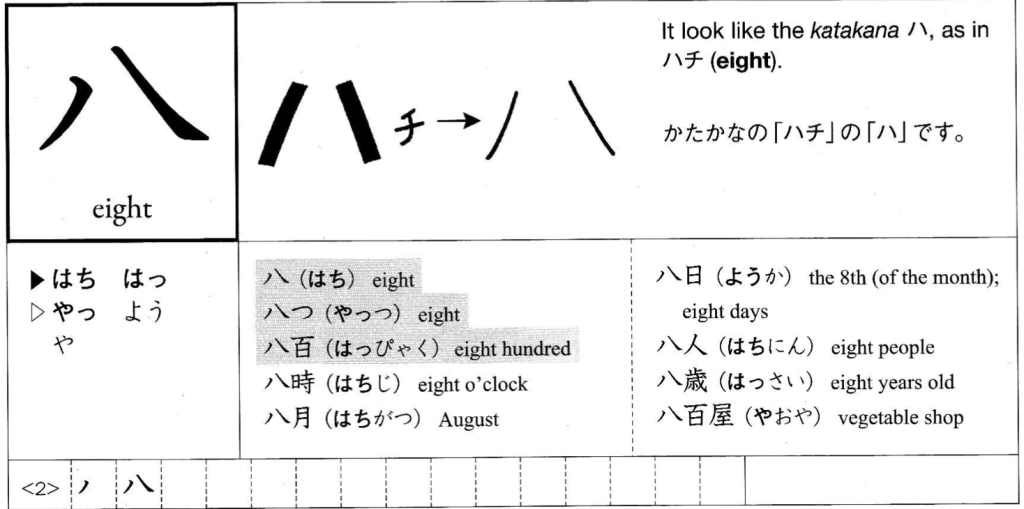


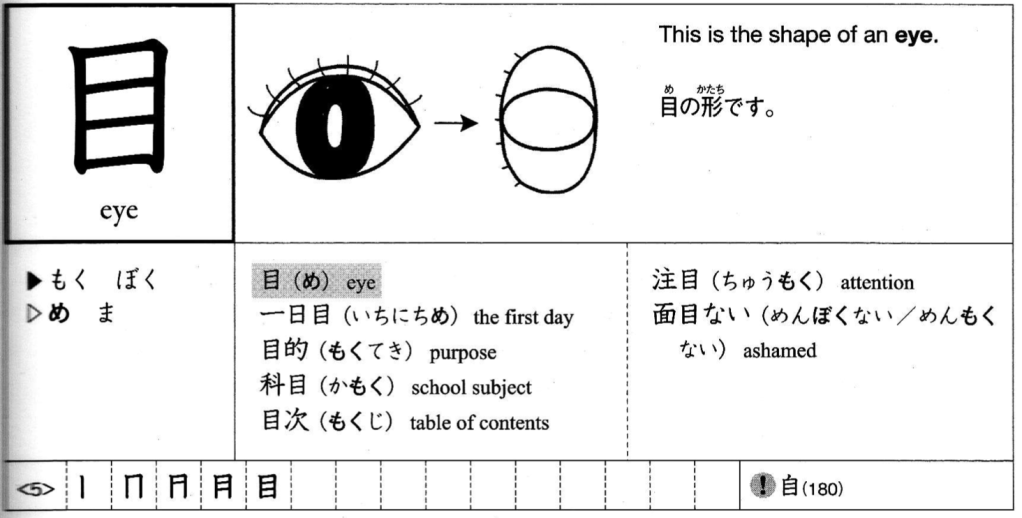

- 一緒 ( いっしょ) – together (page 14)
- 四歳 (よんさい) – four years old (page 24)
- 総人口 (そうじんこう) total population (page 9)
- 二車線 (にしゃせん) – 2 traffic lanes; 2 road lanes (page 41)
- 約八割 (やくはちわり) – about 80% (page 9)
- 目標 (もくひょう) – goal, target (page 17)
- 一万 (いちまん) – 100 000 (page 22)
- 三年 (さんねん) – third-year (page 13)
- 日常 (にちじょう) – ordinary; usual (page 9)
Set 2 (人、時、半、分、上、土、本、今、火)
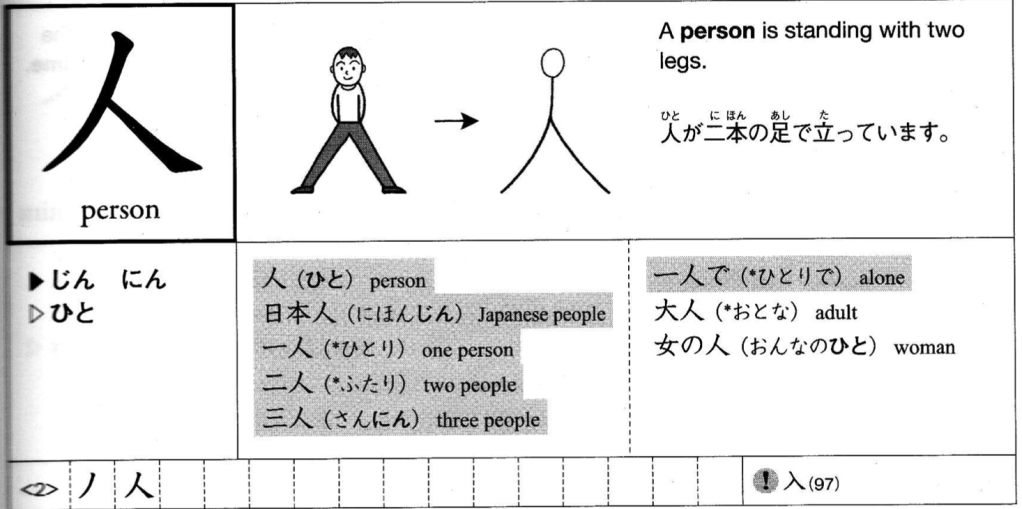

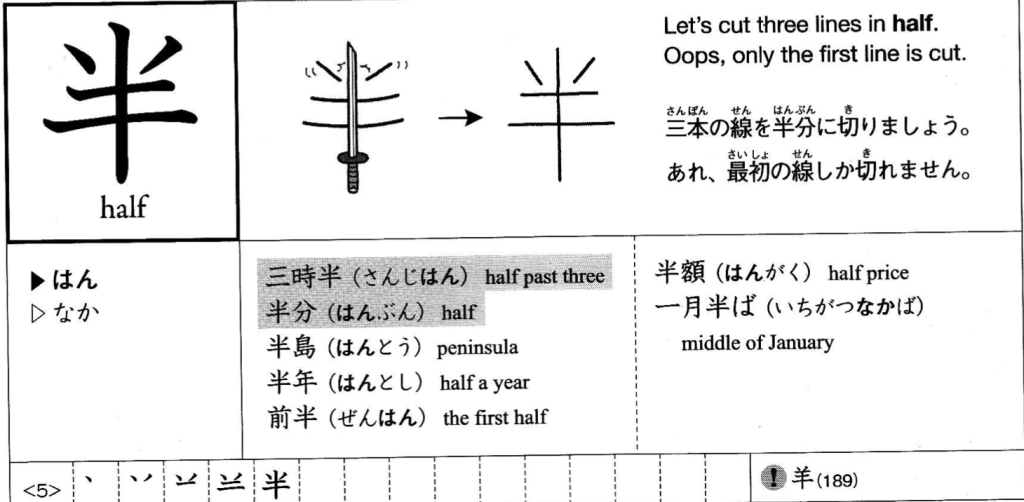
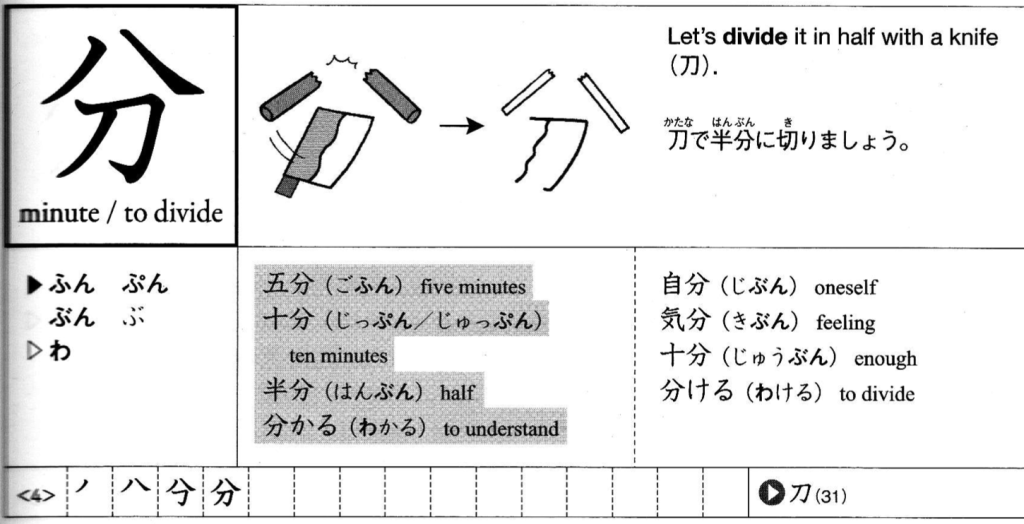


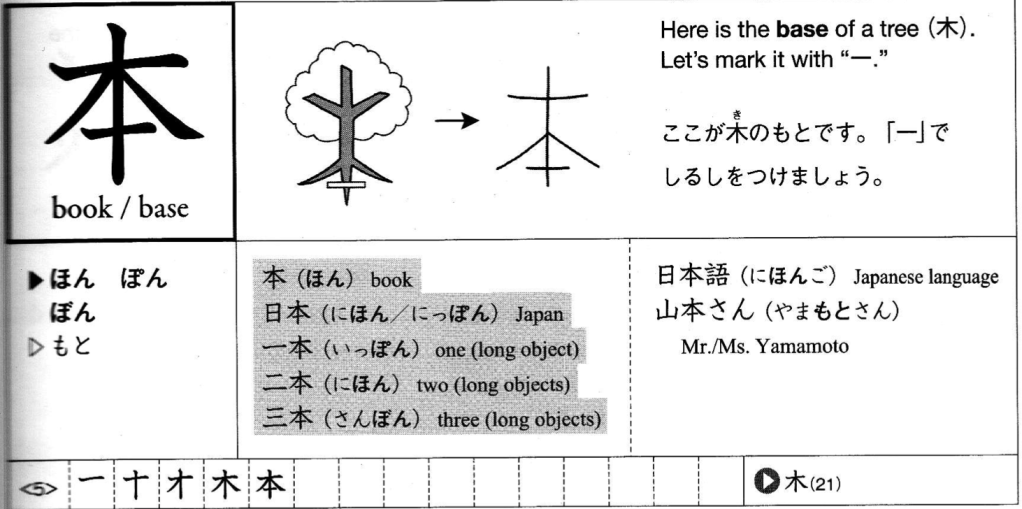
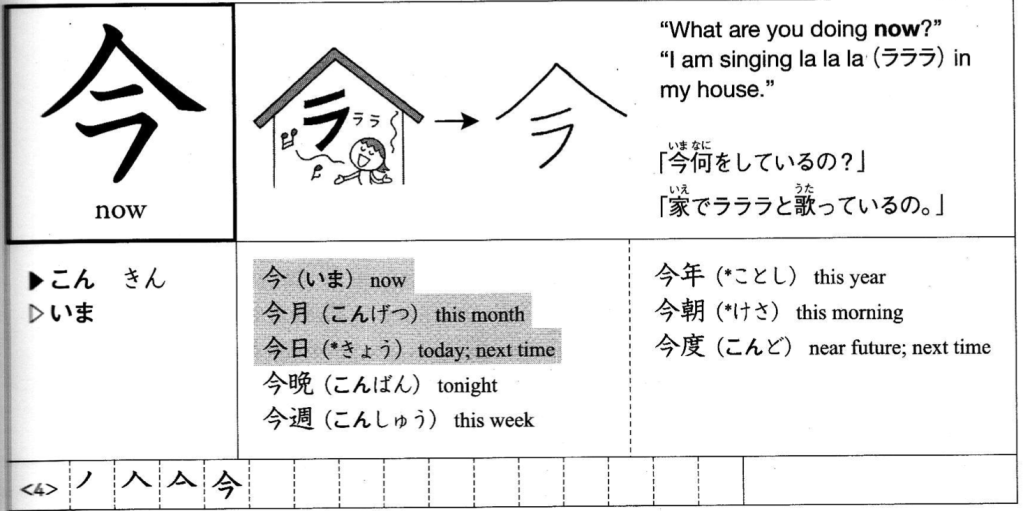
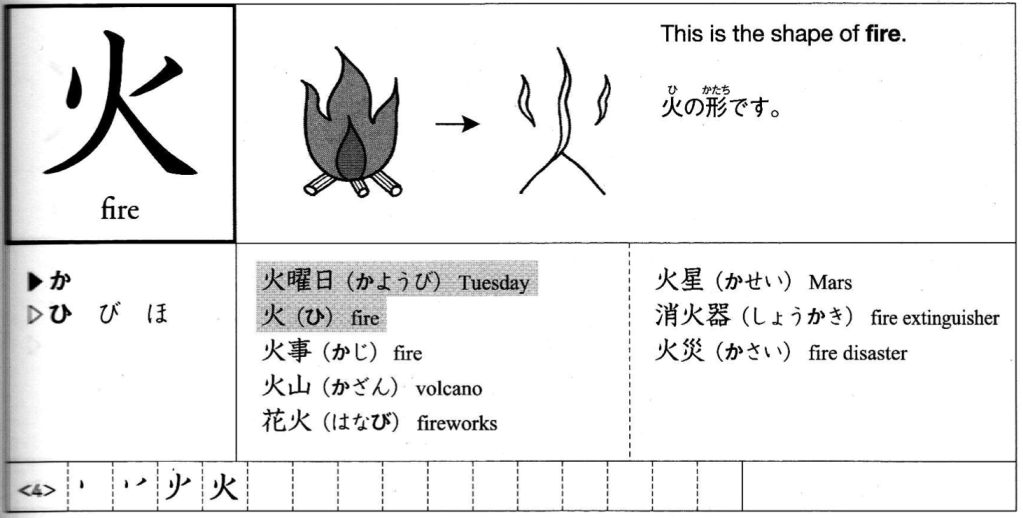
- 人々 (ひとびと) – people; men and women, everybody (page 13)
- 10分 (じゅうぷん) – 10 minutes (page 22)
- 本日 (ほんじつ) – today, this day (page 12)
- 時期 (じき) – time, period, season (page 13)
- 急上昇 (きゅうじょうしょう) – trending (online), sudden rise (page 11)
- 今から (いまから) – from now; from the present moment
- 半壊 (はんかい) – partial destruction (page 37)
- 土地 (とち) – location, place (page 30)
- 火の粉 (ひのこ) – sparks (page 33)
Set 3 (後、前、男、下、間、子、中、学、力)
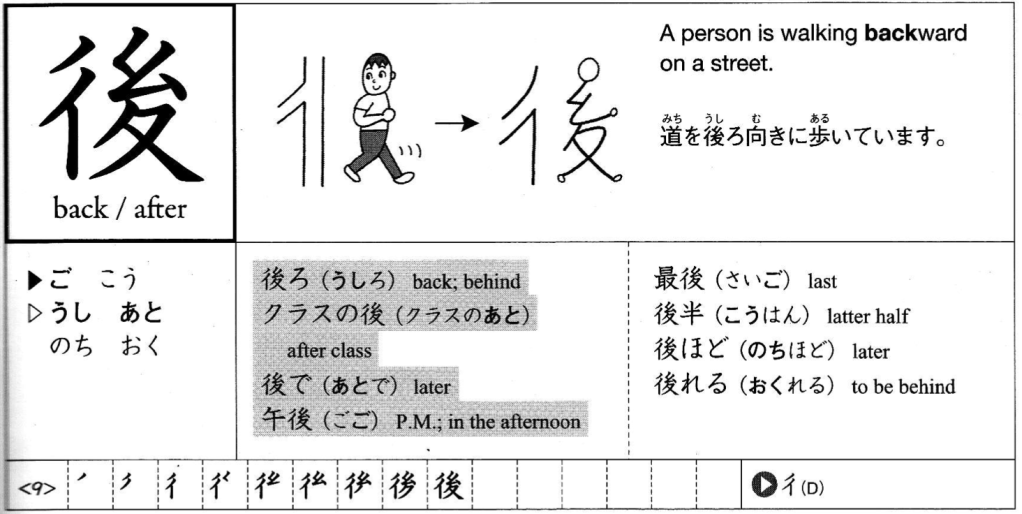
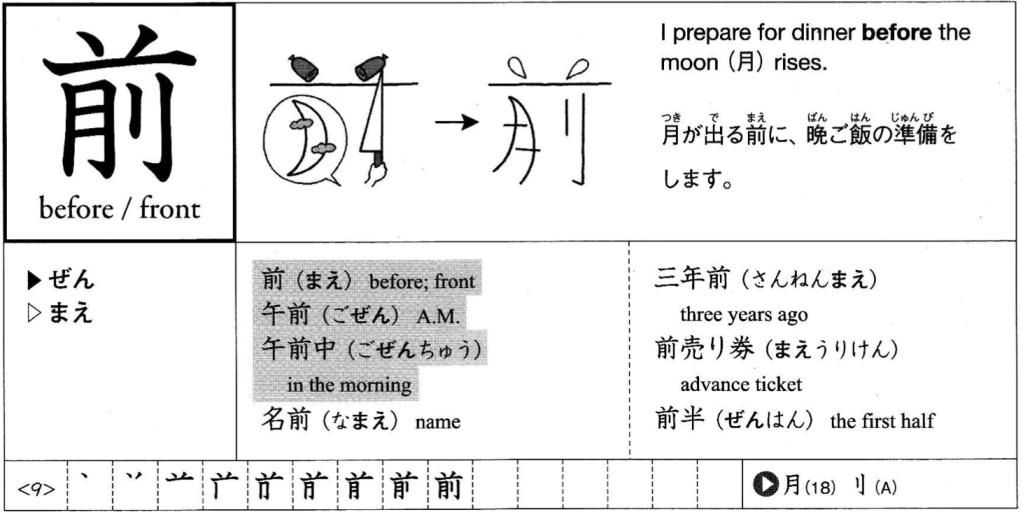
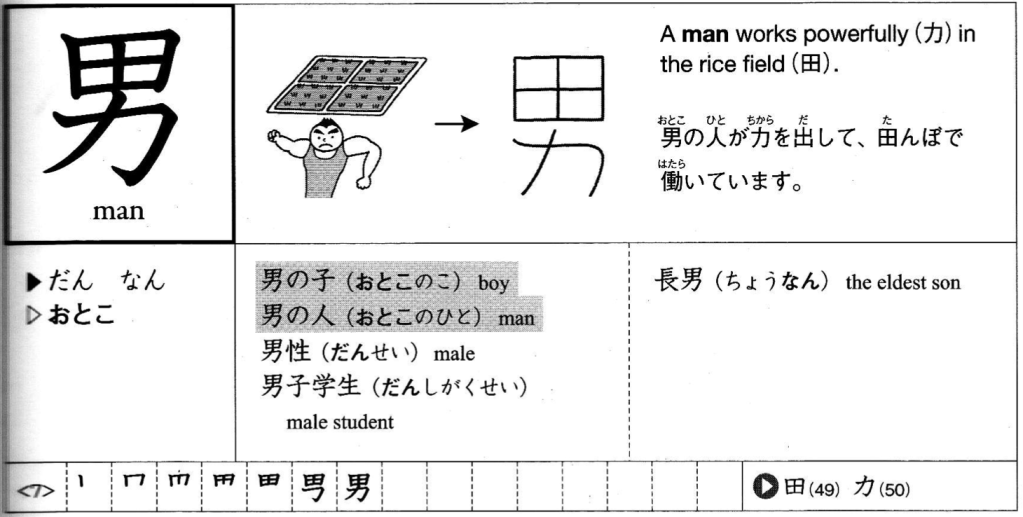
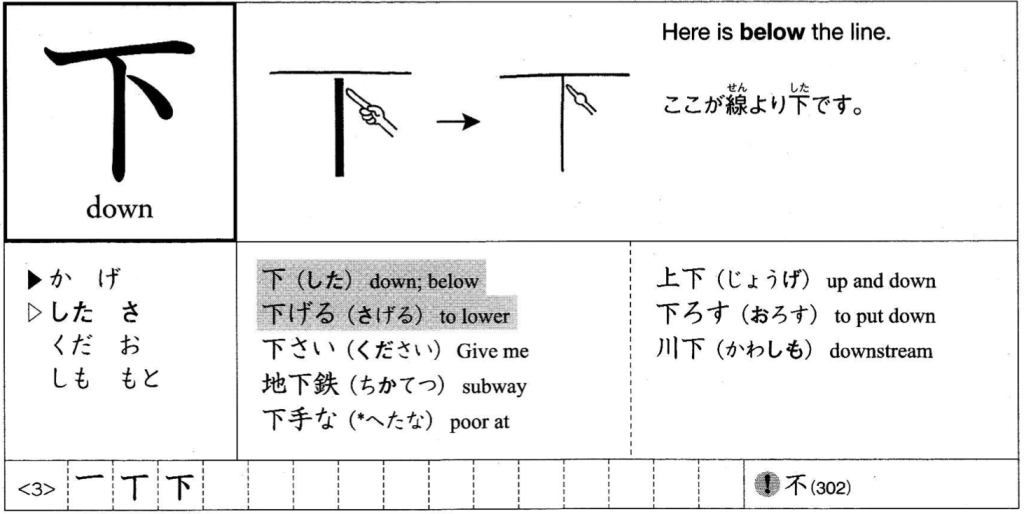


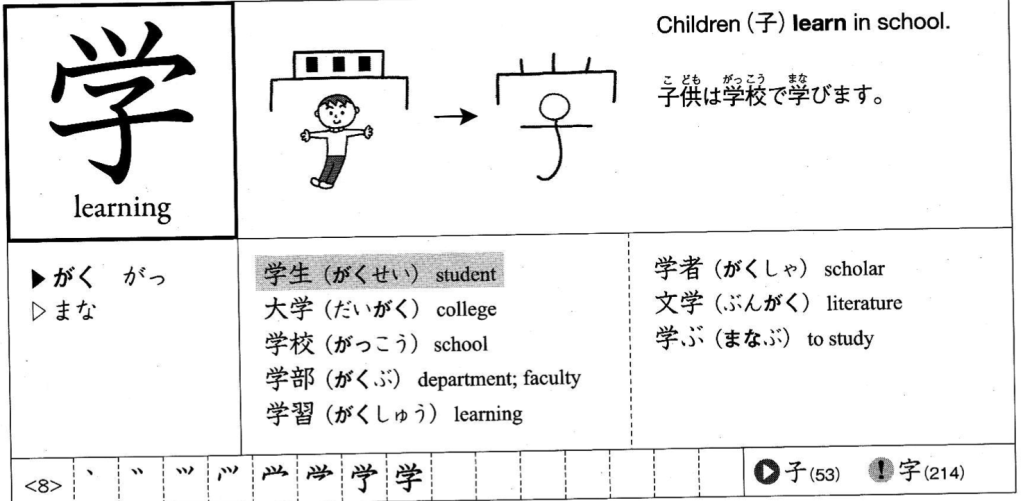

- 最後 (さいご)- last, final (page 6)
- 階下 (かいか) – downstairs (page 34)
- 中学 (ちゅうがく) – junior high school; middle school
- 5年前 (5ねんまえ) – 5 years ago (page 38)
- 間違う (まちがう) – to make a mistake; to be incorrect (page 37)
- 学生 (がくせい) – student (page 20)
- 男 (おとこ) – man (page 40)
- 子たち (こたち)- children (page 23)
- 力 (ちから) – capability; ability (page 40)
Set 4 (生、先、何、母、年、毎、国、見、行)

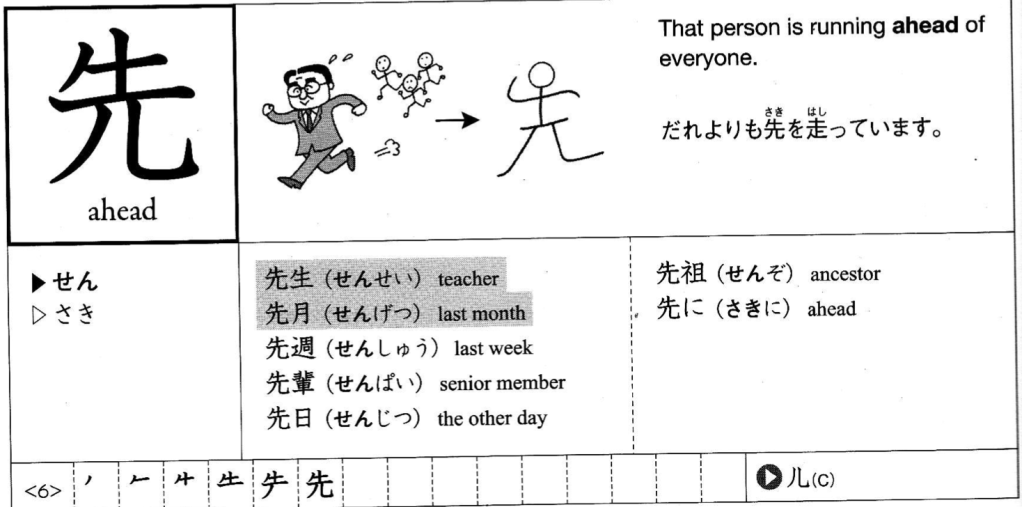

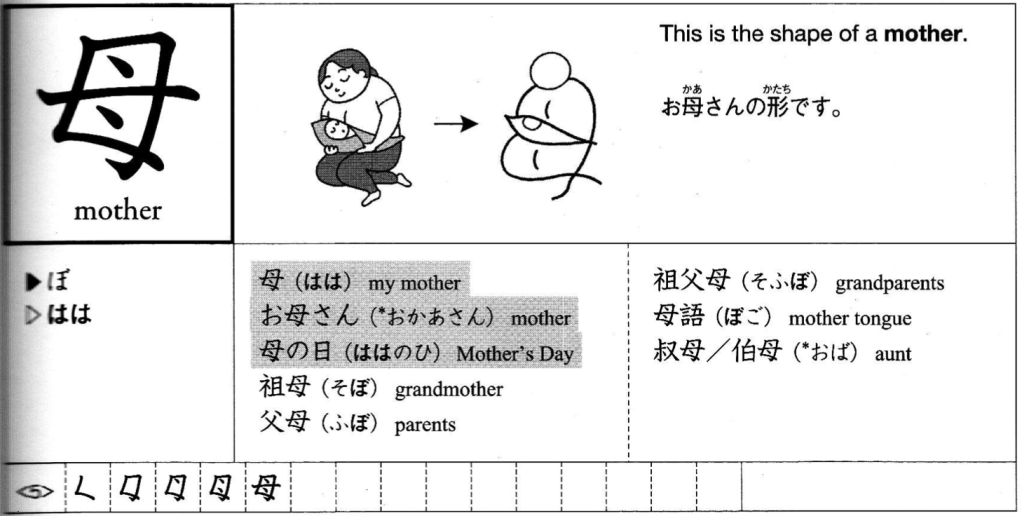
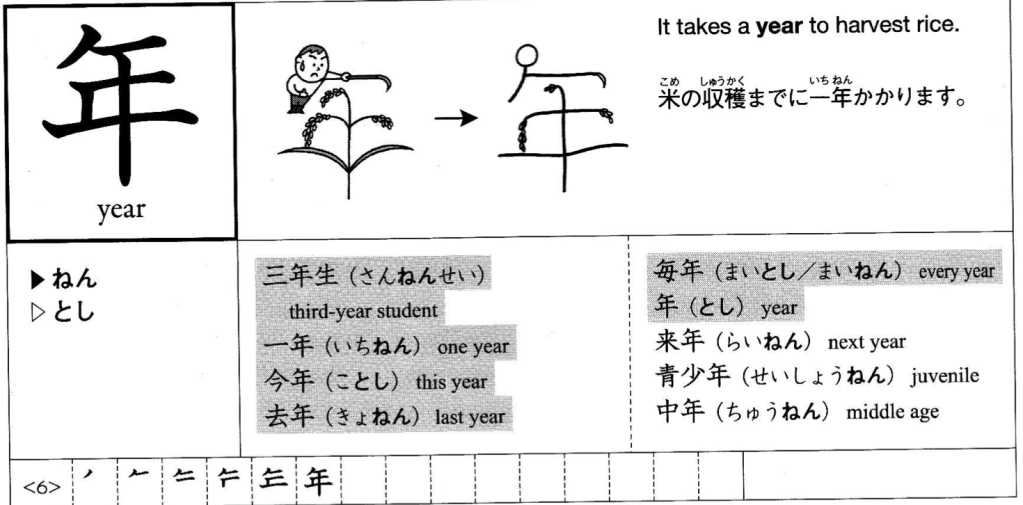
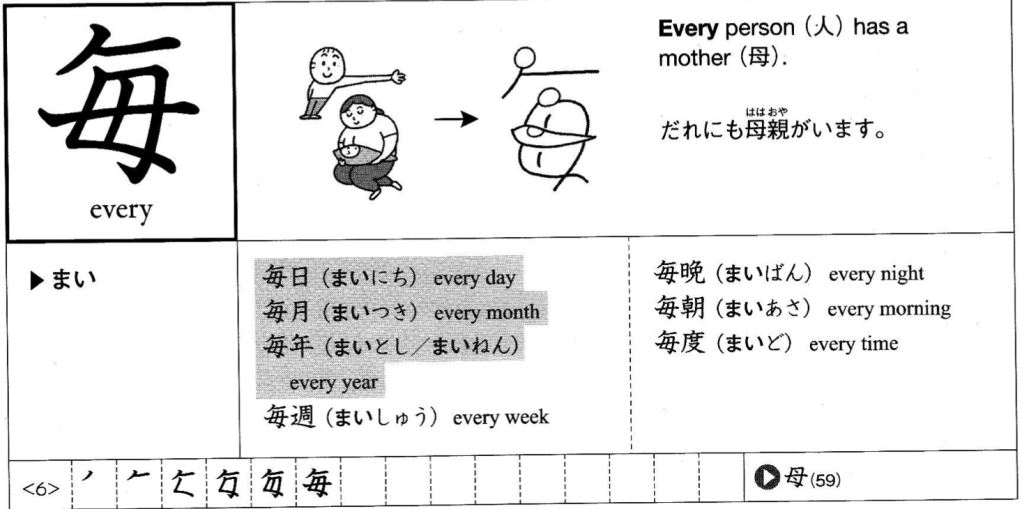

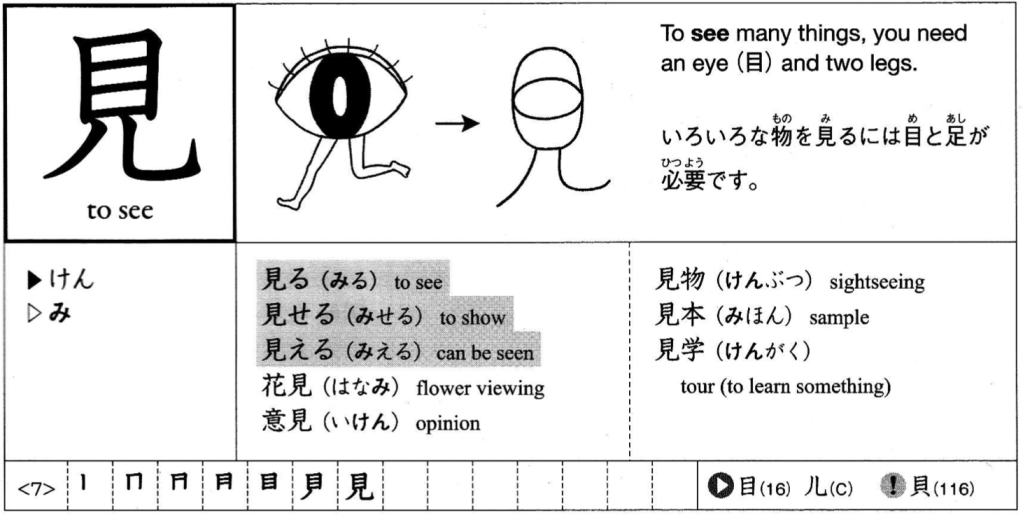

- 生 (なま) – natural; as it is; unedited; unprocessed (page 30)
- 国 (くに) – country, national government (page 13)
- お母さん (おかあさん) – mother (page 25)
- 先に (さきに) – previously; before; earlier (page 58)
- 少年 (しょうねん) – boy, young boy (page 37)
- 見せる (みせる) – to show, to display (page 11)
- 何より (なにより) – above all (page 30)
- 毎度 (まいど) – each time, always (page 15)
- 流行る (はやる) – to be prevalent (page 24)
Set 5 (来、良、会、言、立、聞、待、話、大)
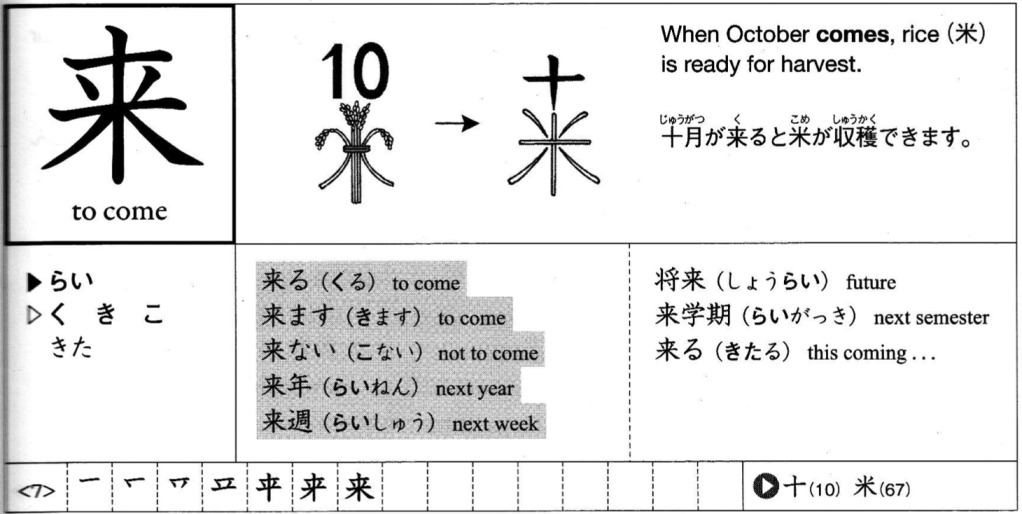


- 将来 (しょうらい) – future (page 56)
- 言う (いう) – to say, to tell (page 25)
- 待つ (まつ) – to wait (page 31)
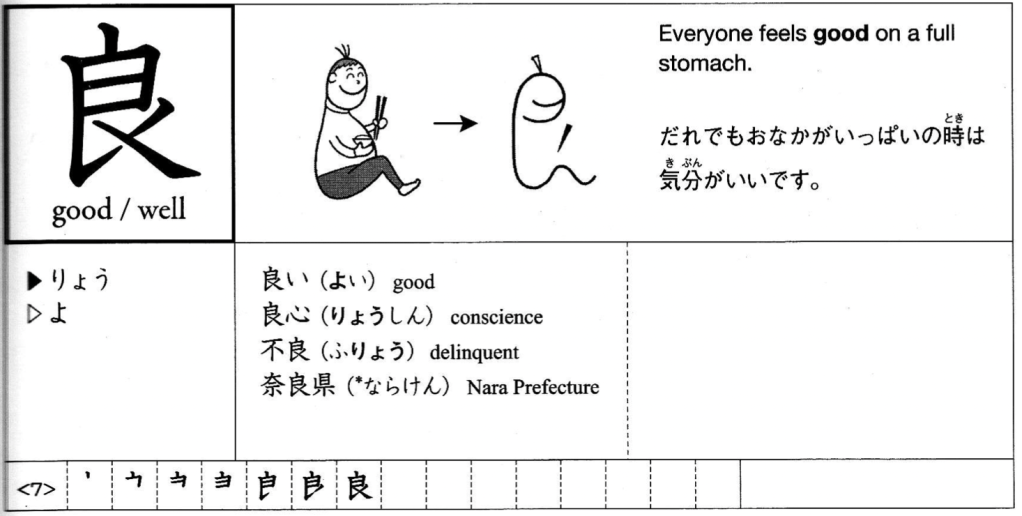
- 良い (よい) – good, fine, all right (page 30)
- 立てる (たてる) – to stand up (page 17)
- 話す (はなす) – to talk, to speak (page 34)
- 会社 (かいしゃ) – company (page 10)
- 聞く (きく) – to listen, to hear (page 11)
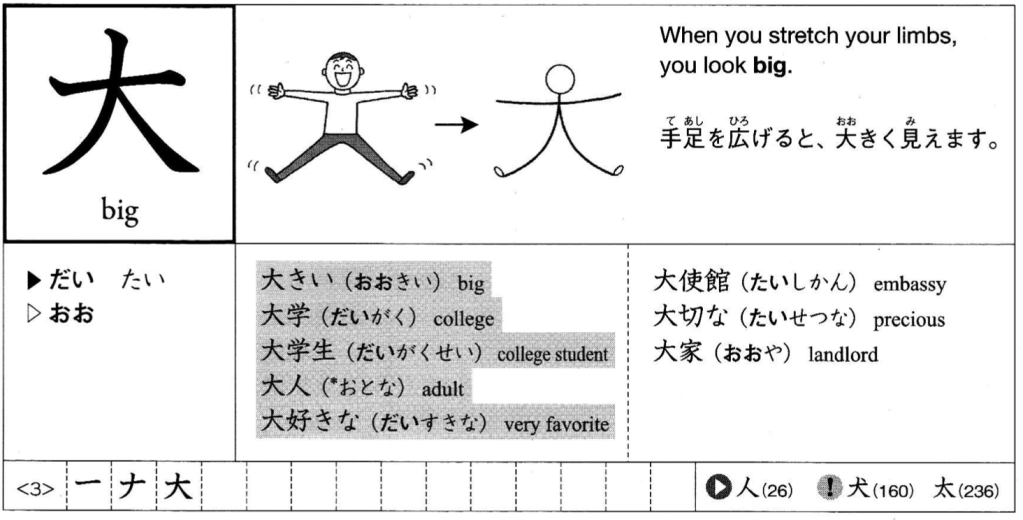
- 大当たり (おおあたり) – (hitting the) jackpot; big win (page 40)
Set 6 (高、新、古、元、気、多、少、早、明)

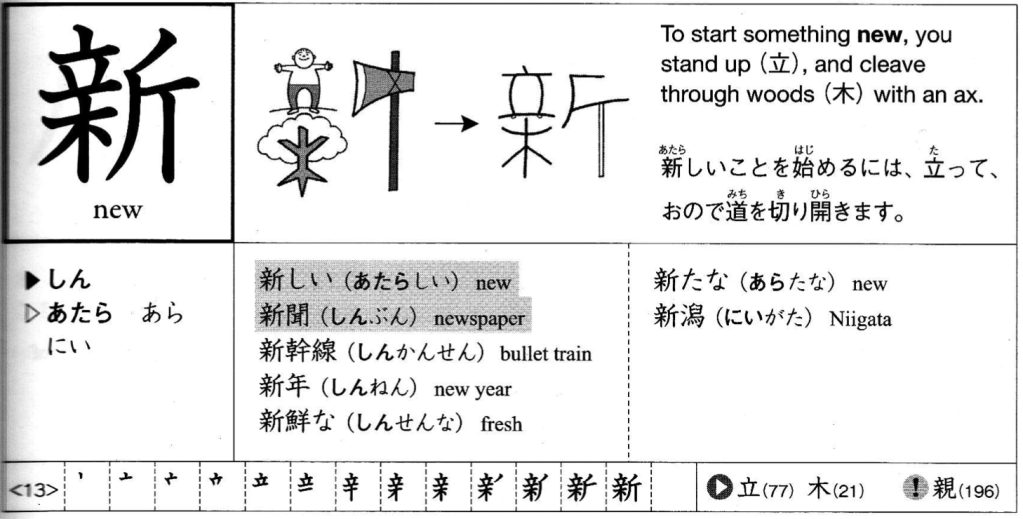


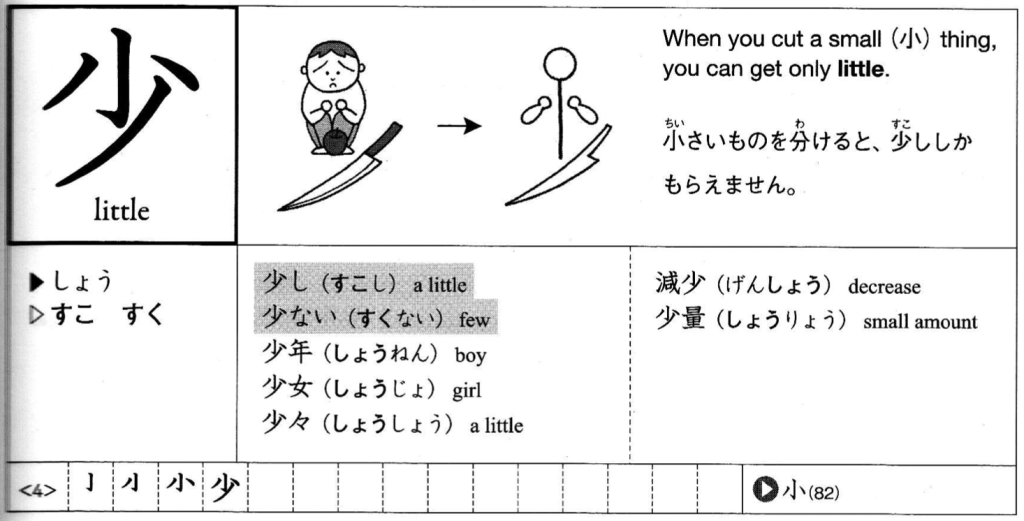

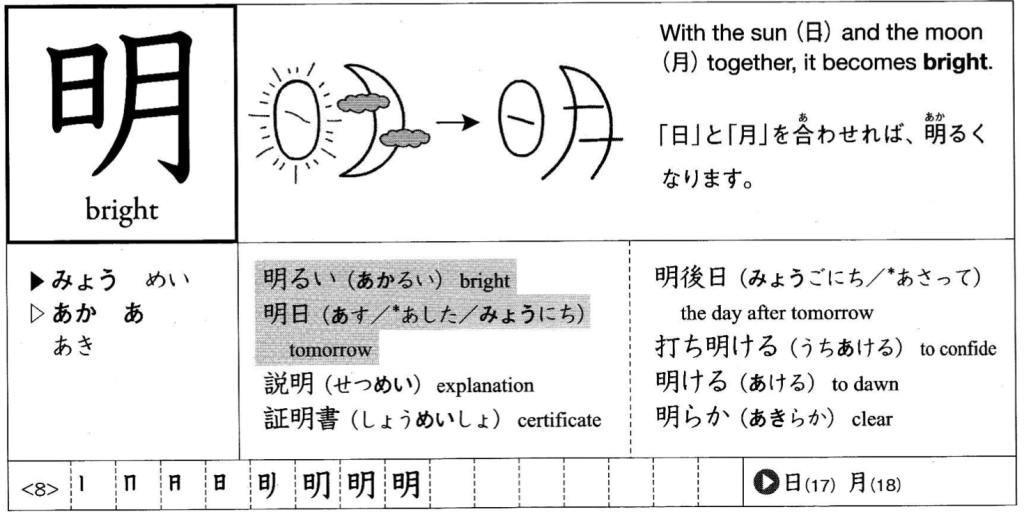
- 最高 (さいこう) – the best, finest (page 36)
- 元気 (げんき) – well (page 30)
- 少年 (しょうねん) – boy, young boy (page 37)
- 新しい (あたらしい) – new; recent; latest (page 24)
- 人気 (にんき) – popularity (page 11)
- 早く (はやく) – quickly (page 19)
- 古い (ふるい) – old (page 22)
- 多く (おおく) – many, plenty (page 58)
- 黎明期 (れいめいき) – dawn (of a new era, civilization, etc.); dawning (page 24)
Set 7 (入、出、市、雨、電、車、馬、社、書)


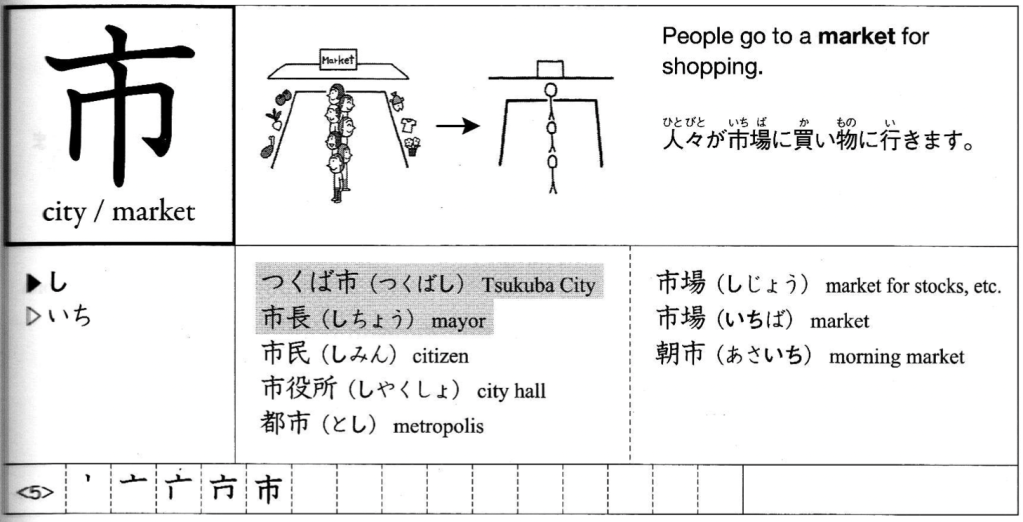
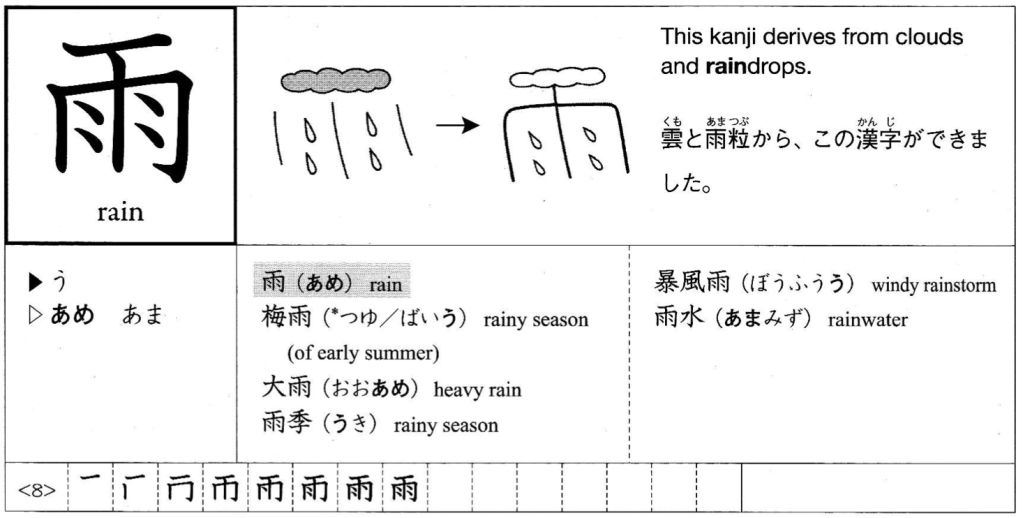

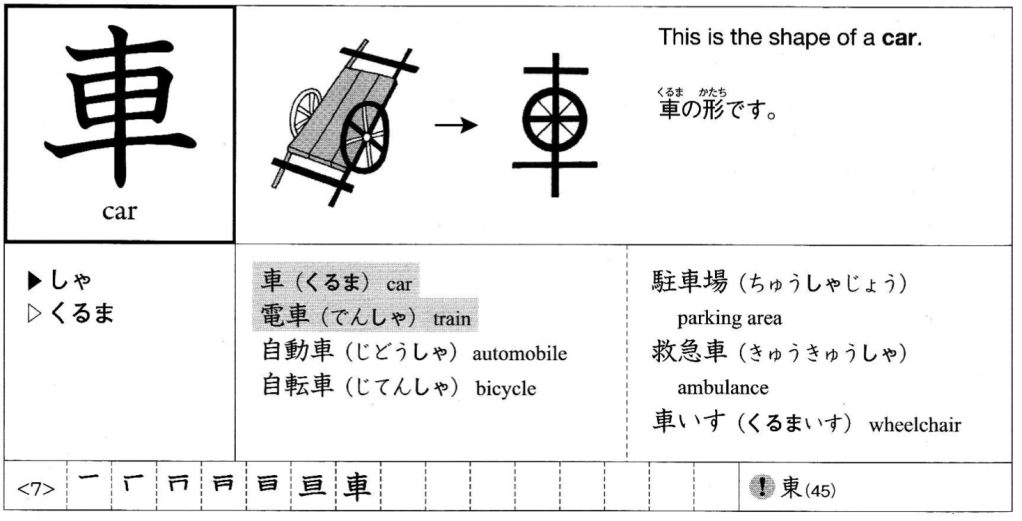
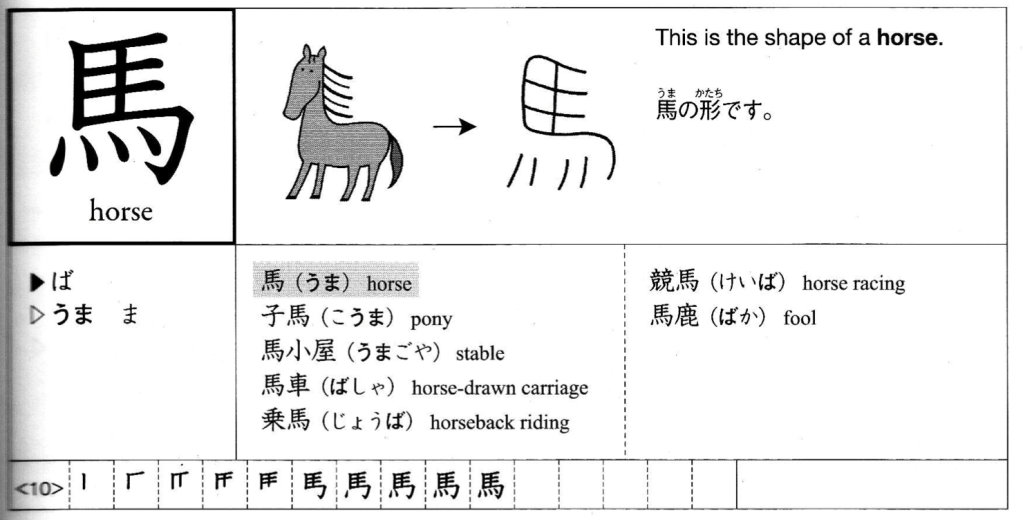
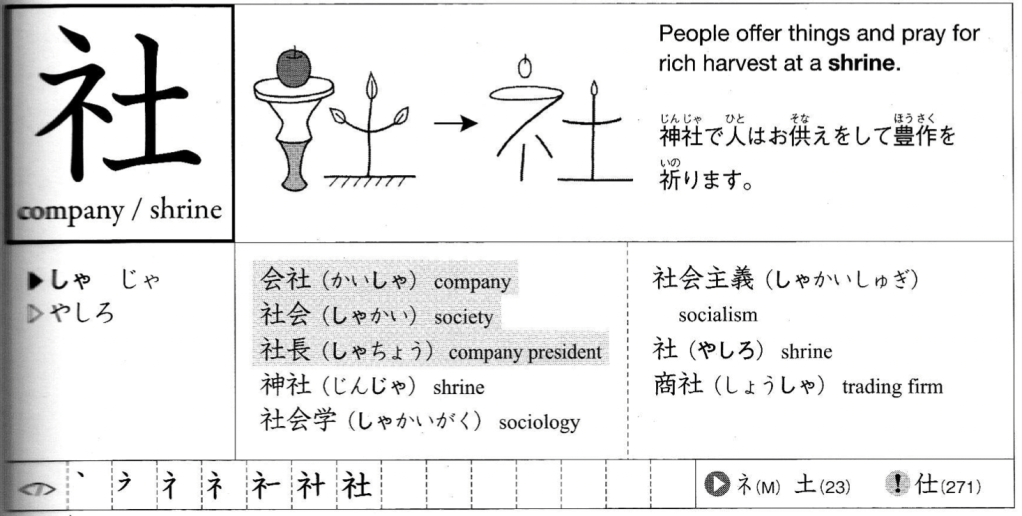

- 収入 (しゅうにゅう) – income (page 13)
- 雨 (あめ) – rain (page 54)
- 馬鹿 (ばか) – idiot (page 48)
- 出来る (できる) – to be able (in a position) to do; to be up to the task (page 16)
- 電車 (でんしゃ) – train (page 10)
- 社会 (しゃかい) – society (page 5)
- 電車 (でんしゃ) – train (page 10)
- 市内 (しない) – in the city; within the city (page 18)
- ネットに書き込むな (かきこむ) – “Don’t post this on the internet” (page 37)
Set 8 (帰、勉、強、名、語、朝、方、心、手)
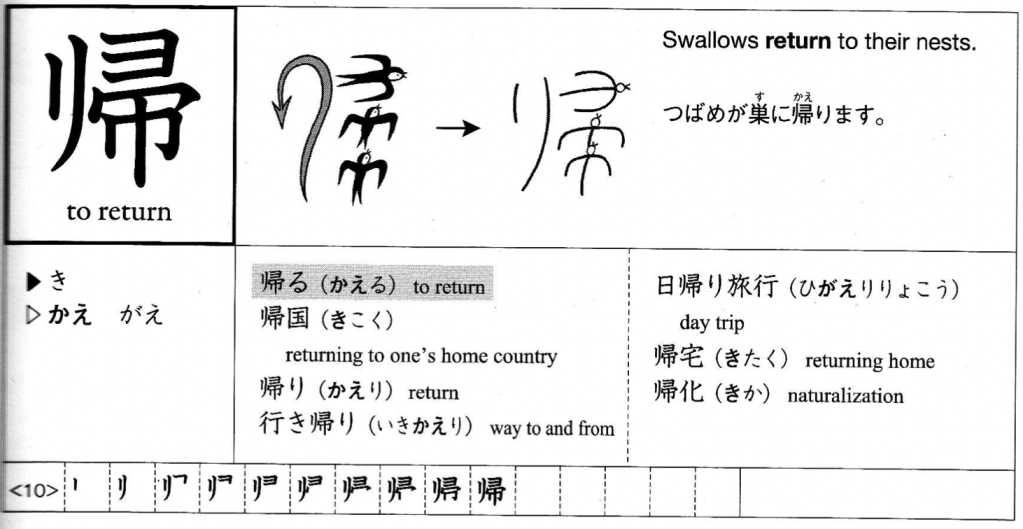


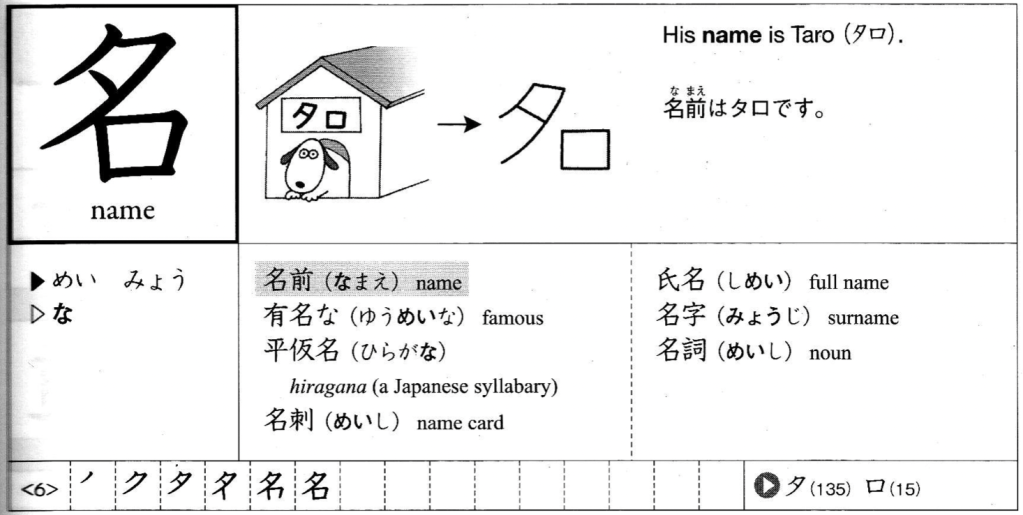
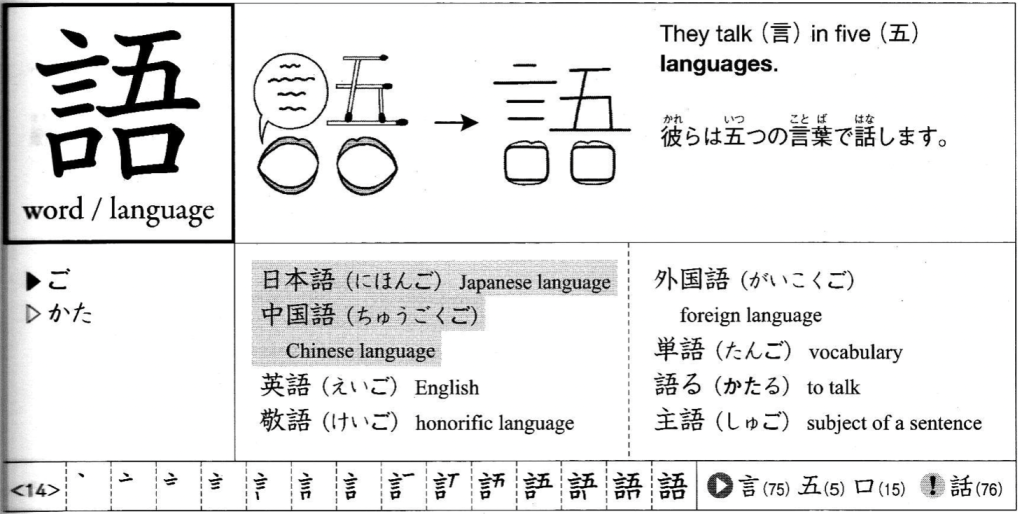


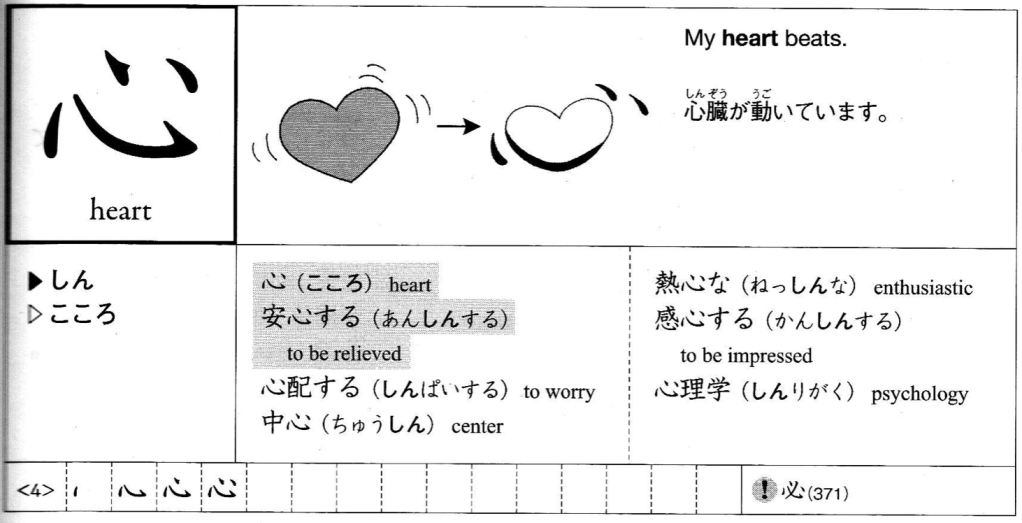

- 帰る (かえる) – to come home, to return home (page 56)
- 名声 (めいせい) – fame (page 13)
- 方 (かた) – person, people (page 34)
- 勉強 (べんきょう) – study, studying (page 16)
- 物語 (ものがたり) – story; tale (page 59)
- 夢見心地 (ゆめみごこち)- dreamy state of mind (page 33)
- 強盗 (ごうとう) – robber; mugger (page 18)
- 今朝 (けさ) – this morning (page 18)
- 手術 (しゅじゅつ) -surgery; operation (page 37)
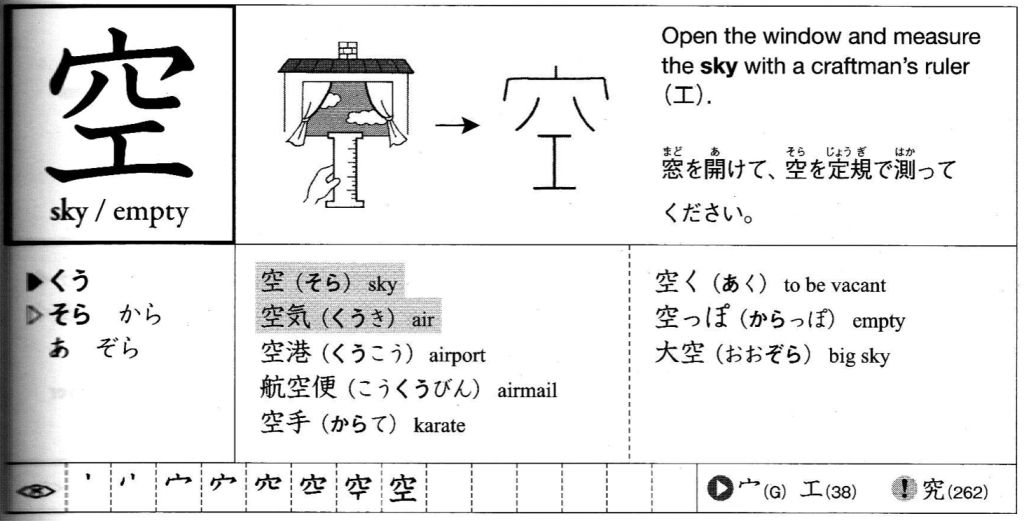
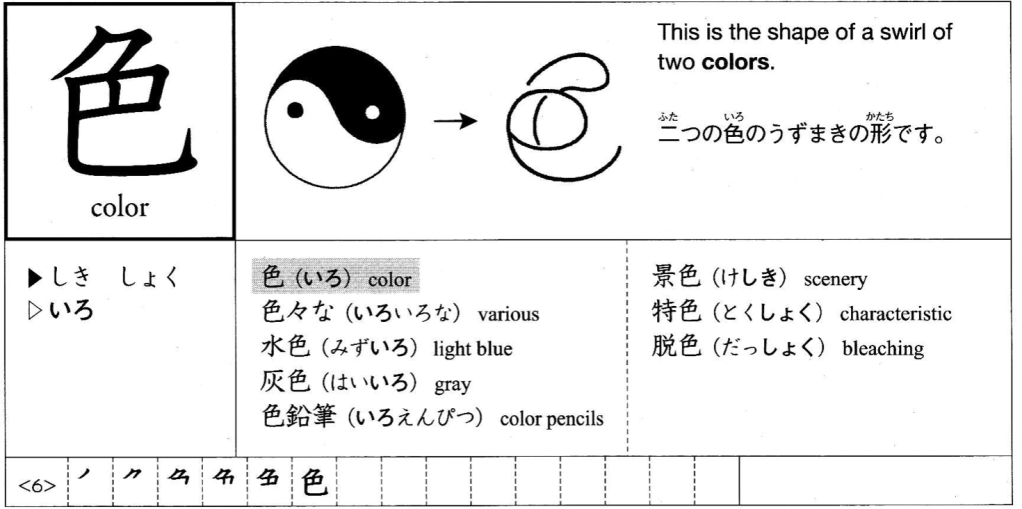
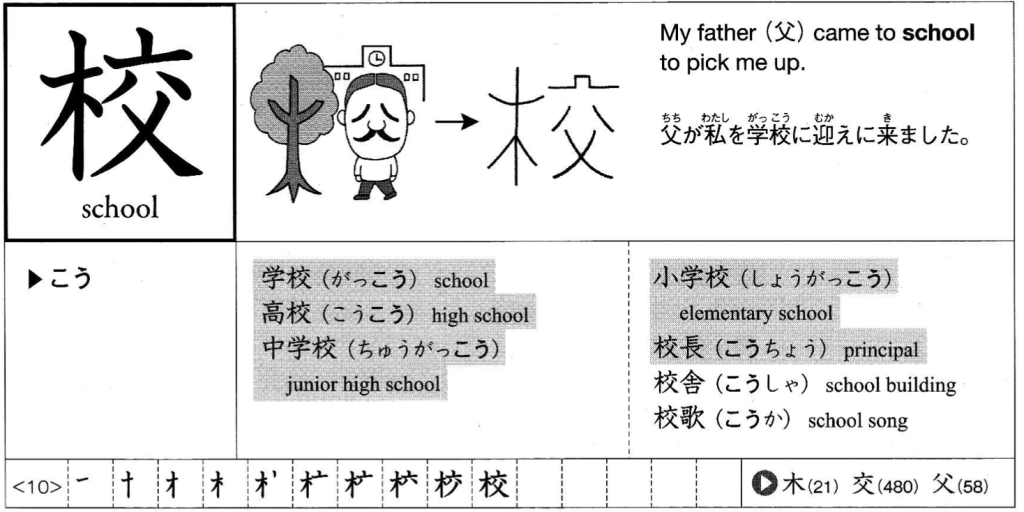
Set 9 (足、体、空、天、色、赤、校、小、木)
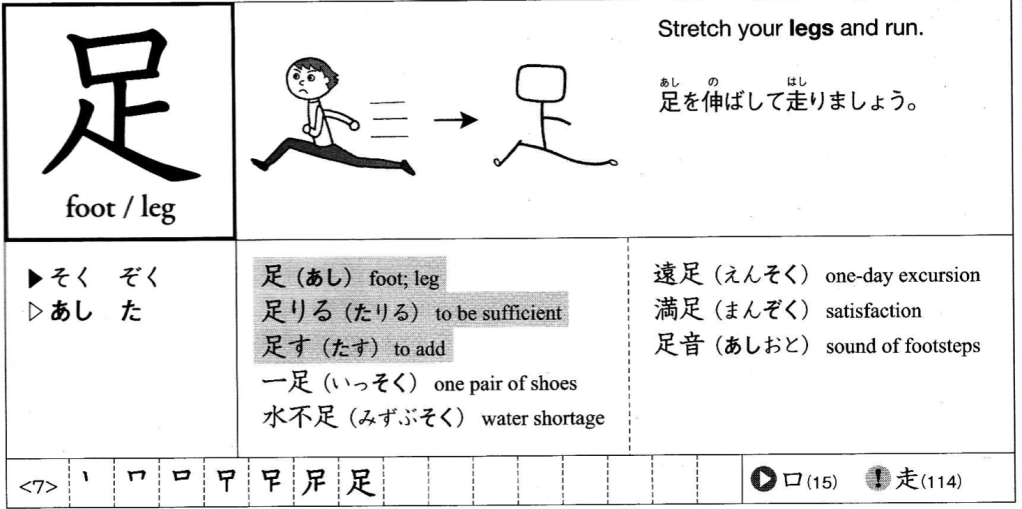



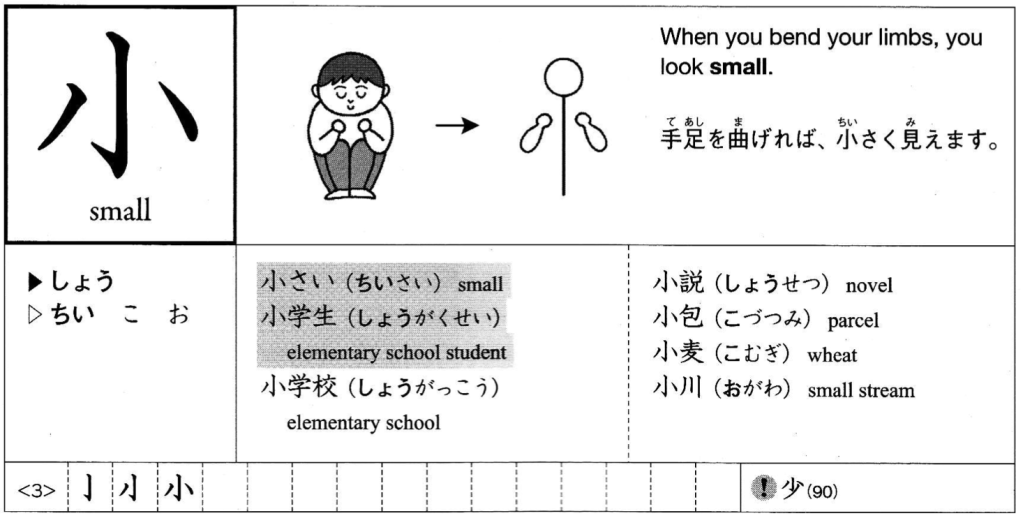
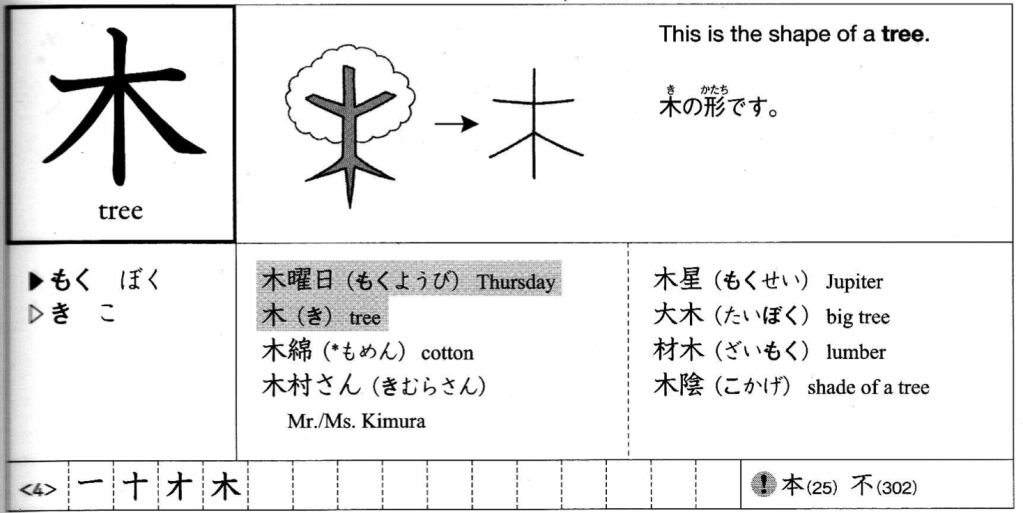
- 足 (あし) – foot (page 24)
- 天気 (てんき) – weather (page 55)
- 校内 (こうない) – within a school (page 14)
- 体質 (たいしつ) – constitution (physical); physical make-up (page 10)
- 色々 (いろいろ) various; all sorts of (page 50)
- 小さい頃から (ちいさいころから) – since I was a child, since I was little (page 17)
- 空想 (くうそう) – daydream; fantasy (page 9)
- 赤児 (あかご) – baby (page 9)
- 樹木 (じゅもく) – tree (page 11)
Set 10 (周、売、化、右、起、道)


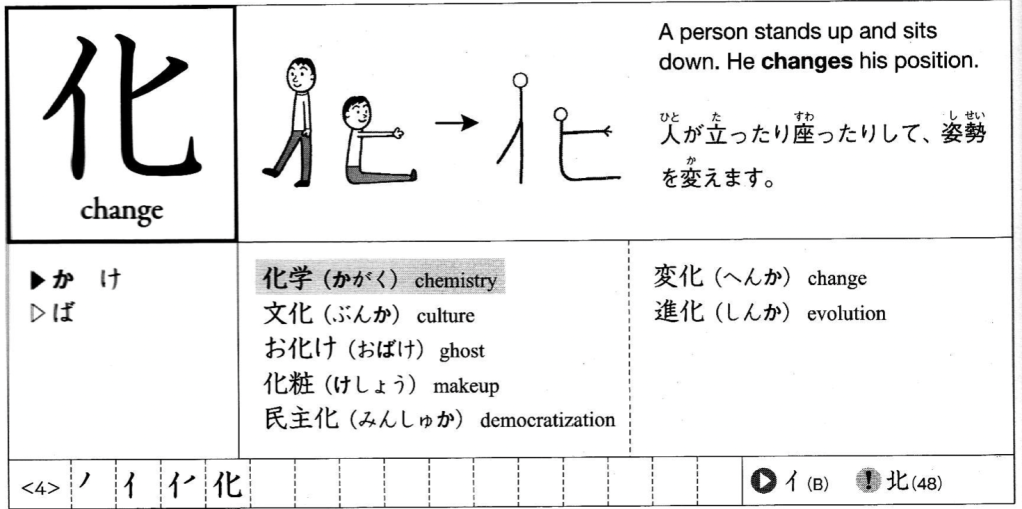
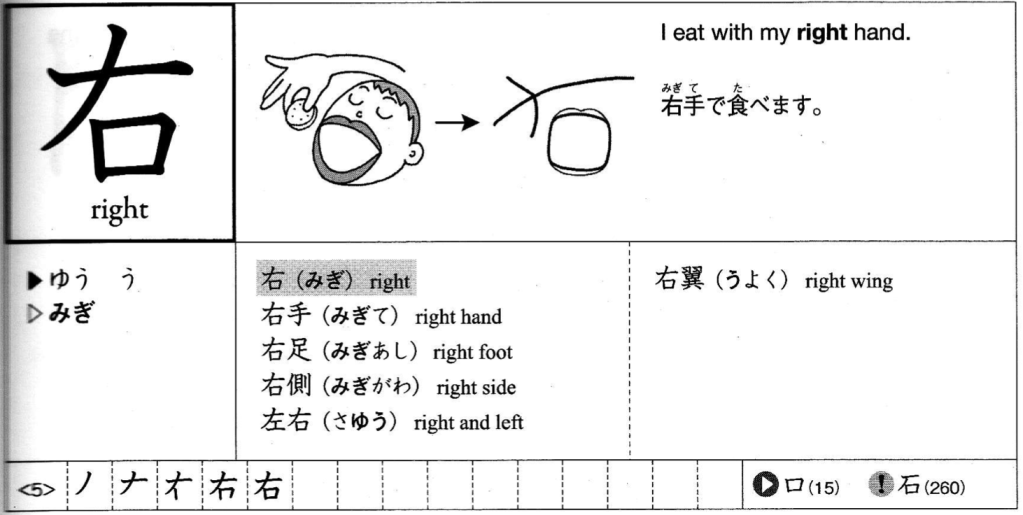

- 周り (まわり) – surroundings (page 25)
- 右手一本で (みぎていっぽんで)-with one right hand (page 55)
- 恩を売る (おんをうる) – to demand gratitude; to do something for someone in order to create an obligation of gratitude from that person (page 56) “Are you trying to make me owe you?”
- 起きる (おきる) – to occur; to happen; to take place (page 22)
- 権化 (ごんげ) – embodiment (page 11)
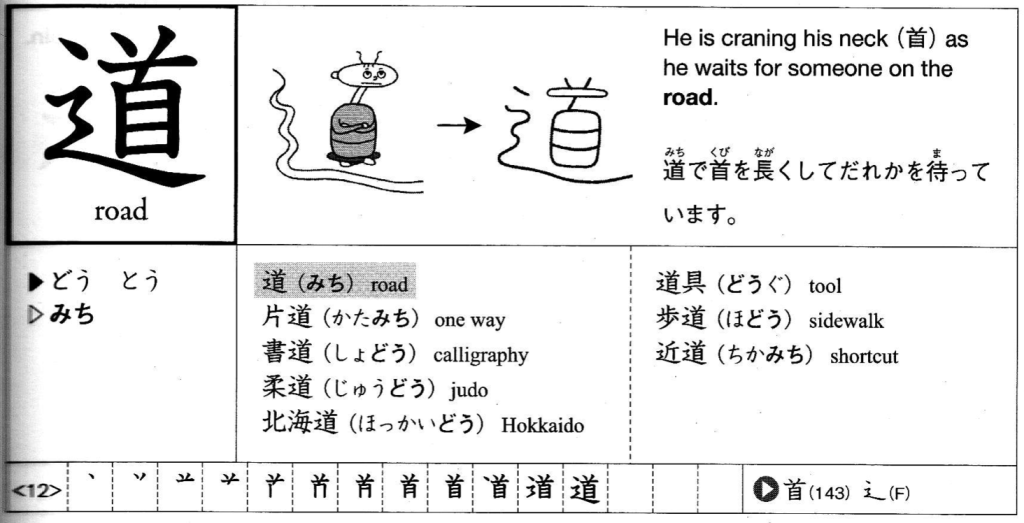
- 道 (みち) – road, pathe (page 33)
JLPT N4 (68 KANJI)
Set 1 (画、自、兄、乗、家、私、着、夫、主)
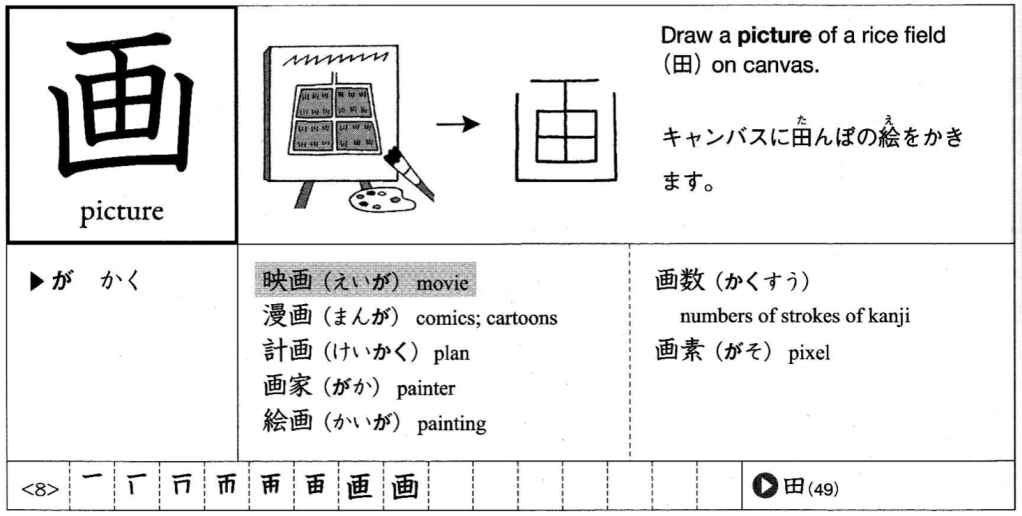



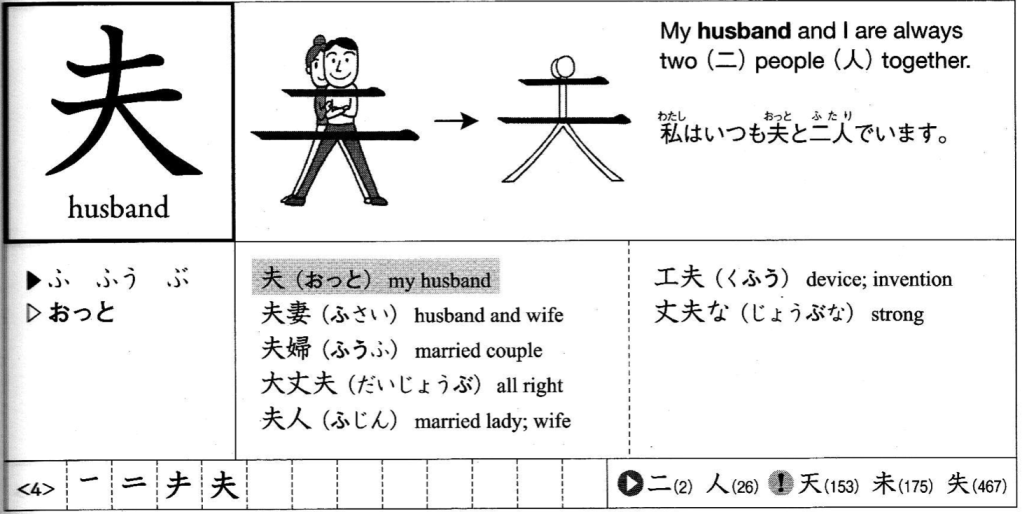
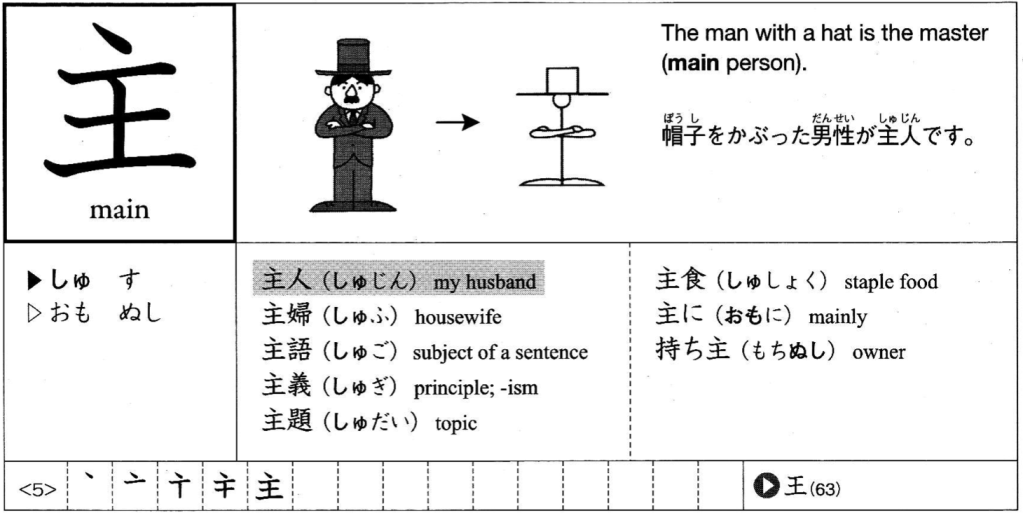
- 動画 (どうが) – video clip, video (page 22)
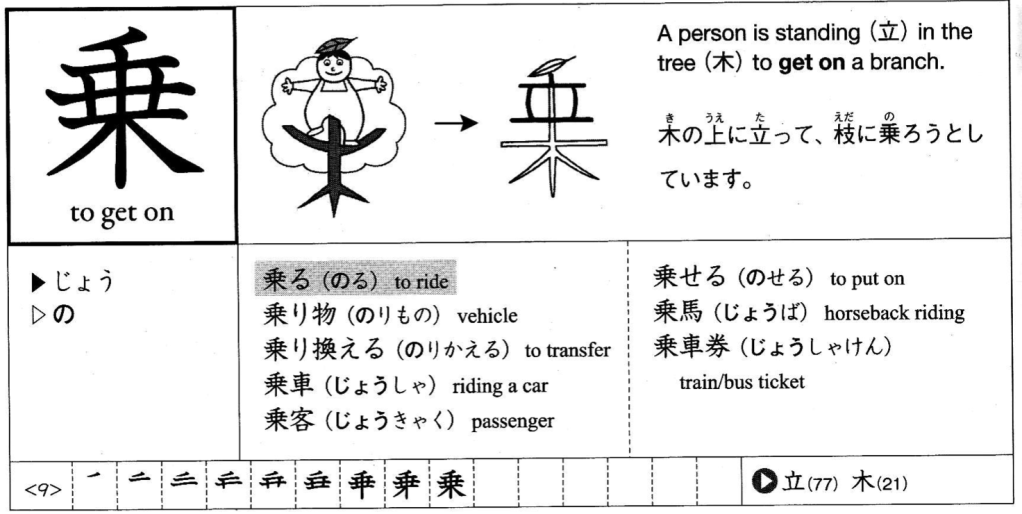
- 乗っ取る (のっとる) – to take over; to capture) (page 27)
- 落ち着く (おちつく) – to calm down; to compose oneself (page 27)
- 自殺 (じさつ) -suicide (page 51)
- 家宝 (かほう) – heirloom (page 31)
- 大丈夫 (だいじょうぶ) – alright; OK (page 27)
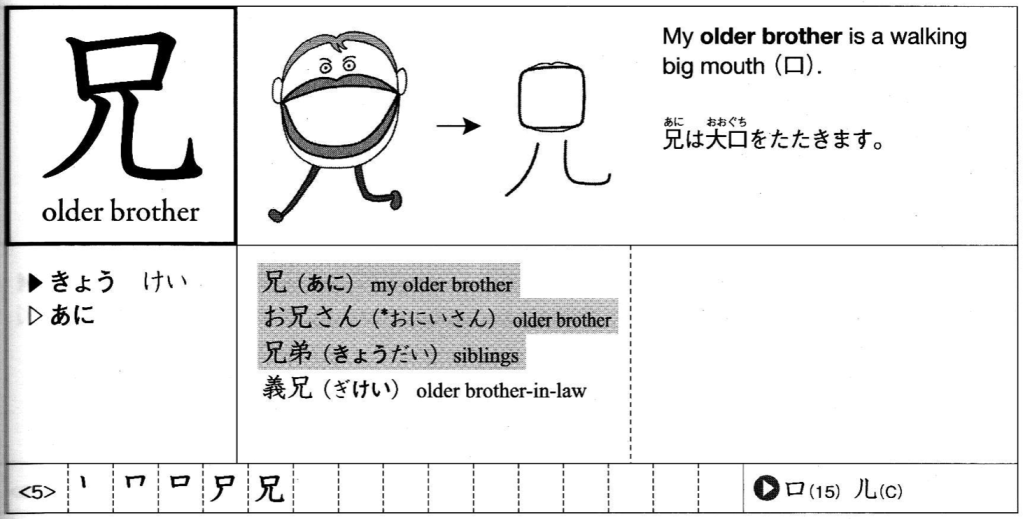
- 兄ちゃん (にいちゃん) – young man (page 11)
- 私 (わたし) – I (page 31)
- 完璧主義 (かんぺきしゅぎ) – perfectionism (page 20)
Set 2 (風、試、宿、者、悪、瑛、光、説、重)


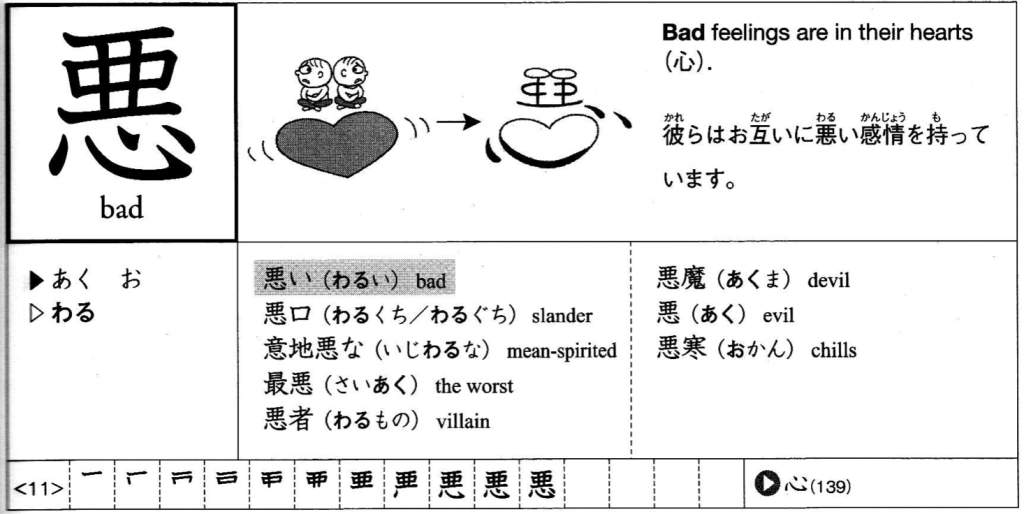
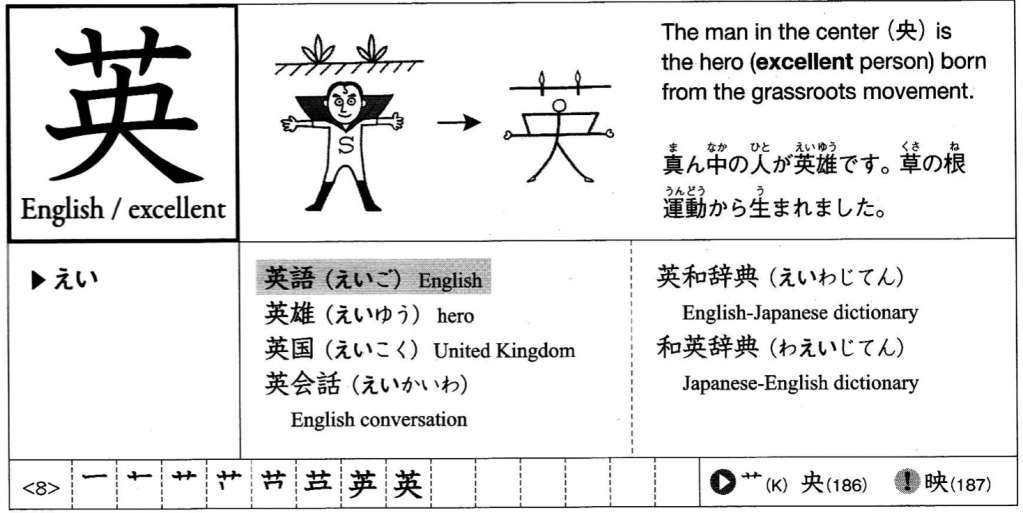

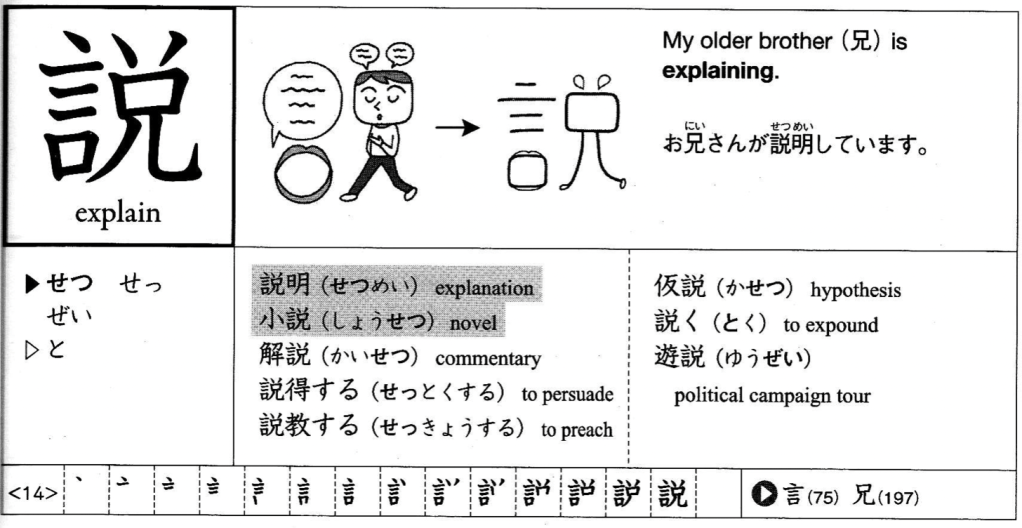

- 風圧 (ふうあつ) – wind pressure (page 54)
- 小心者 (しょうしんもの) – timid person; coward (page 58)
- 脚光 (きゃっこう) – limelight (page 9)
- 模試 (もし) – mock exam, practice exam (page 15)
- 邪悪 (じゃあく) – wicked; evil (page 11)
- 解説 (かいせつ) – explanation; commentary (page 11)
- 宿る (やどる) – to live; to remain (page 24)
- 雄英 (ゆうえい) – U.A. (name of the school) (both kanji can mean hero and outstanding)
- 度重なる (たびかさなる) – to repeat; to be frequent (page 37)
Set 3 (動、閉、知、止、急、引、考、死、思)
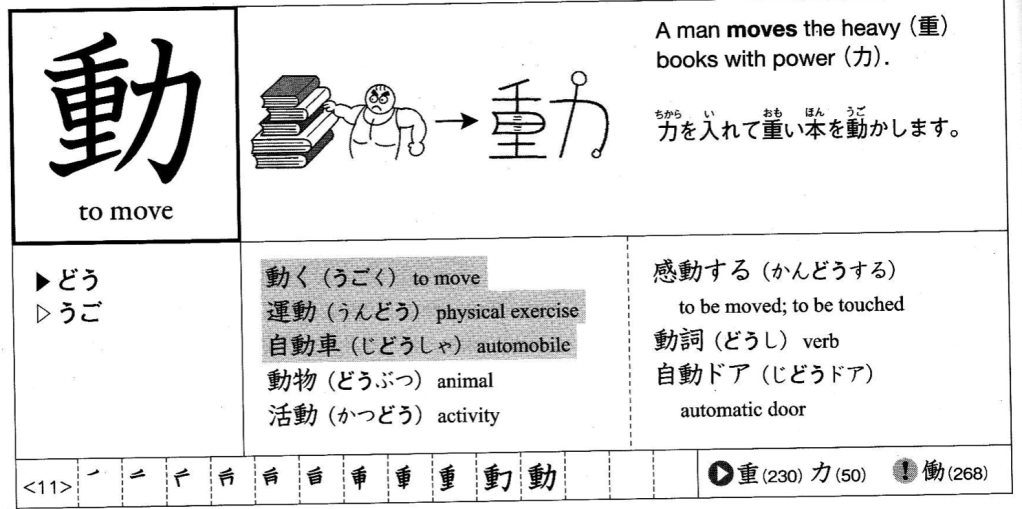


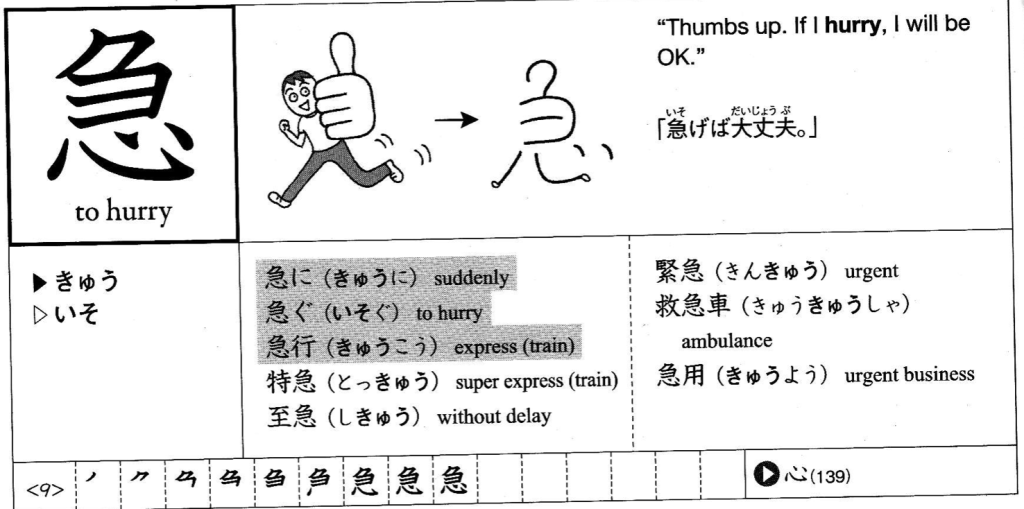

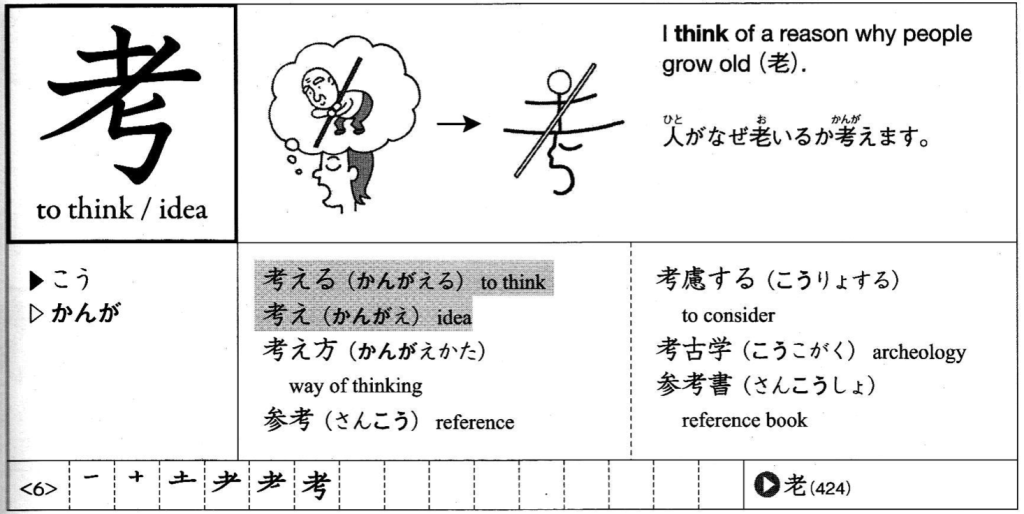

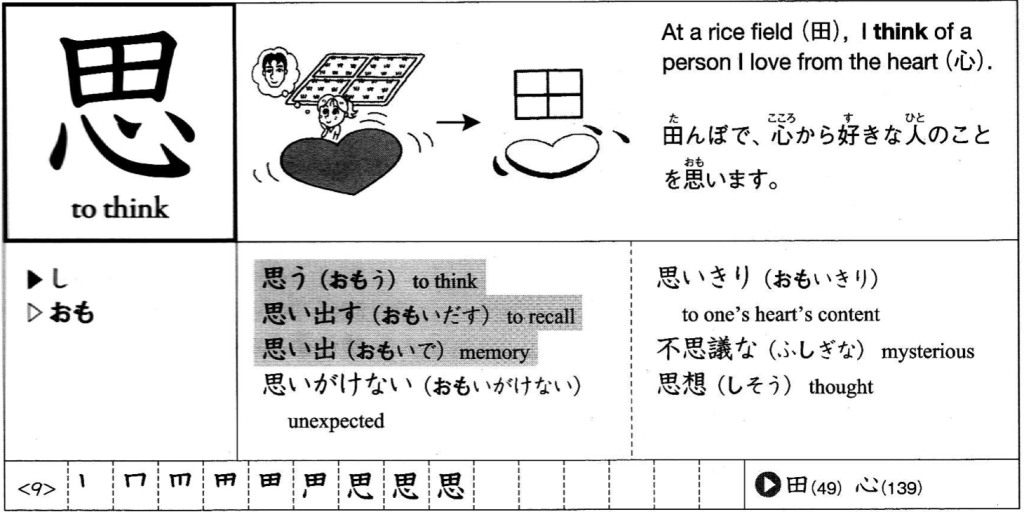
- 活動 (かつどう) – activity (of a person) (page 37)
- 止まる (とまる) – to stop moving (page 48)
- 考える (かんがえる) – to think (about, of); to think over, to contemplate(page 21)
- 閉じる (とじる) – to close, to shut (page 32)
- 急上昇 (きゅうじょうしょう) – trending (online), sudden rise (page 11)
- 死ぬ – to die (“I will die”, in the context) (page 27)
- 知る (しる) – to know, to be aware (of) (page 5)
- 引ったくり (ひったくり) – purse snatcher (page 10)
- 思う (おもう) – to think (of doing); to plan (to do) (page 35)
Set 4 (始、有、代、研、究、業、事、官、昔)
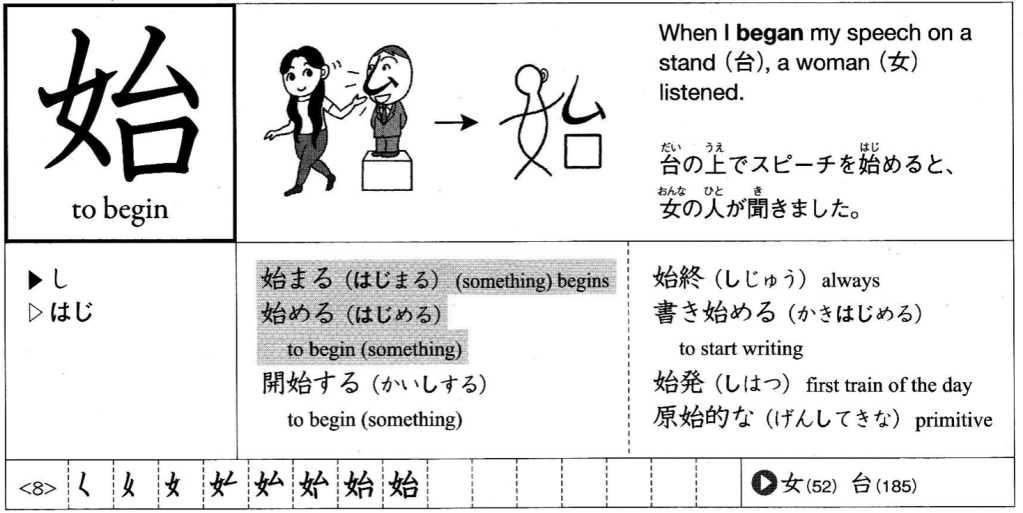


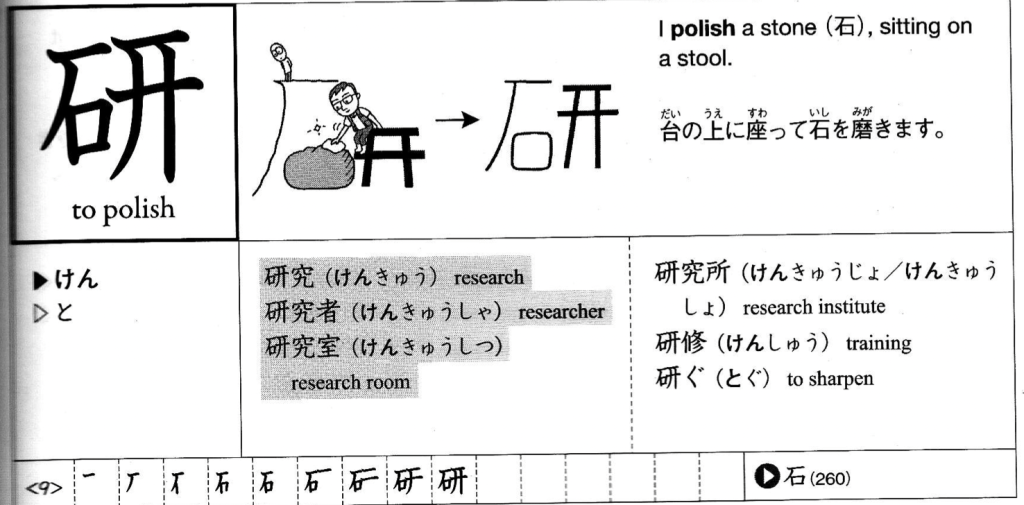
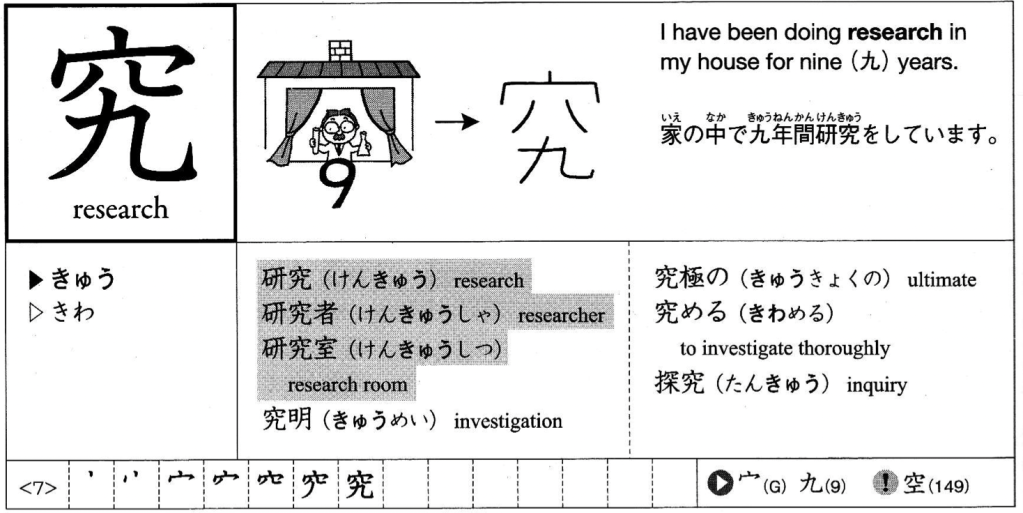

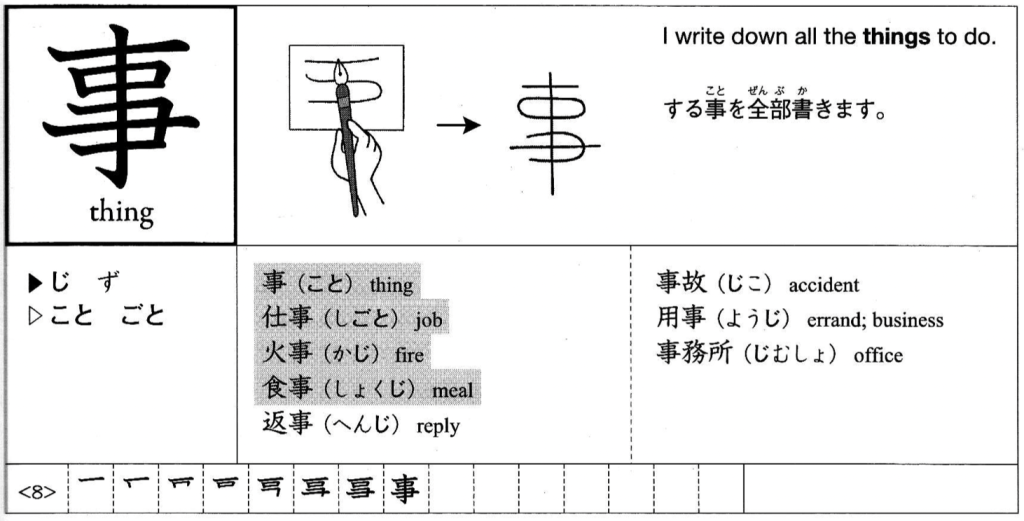
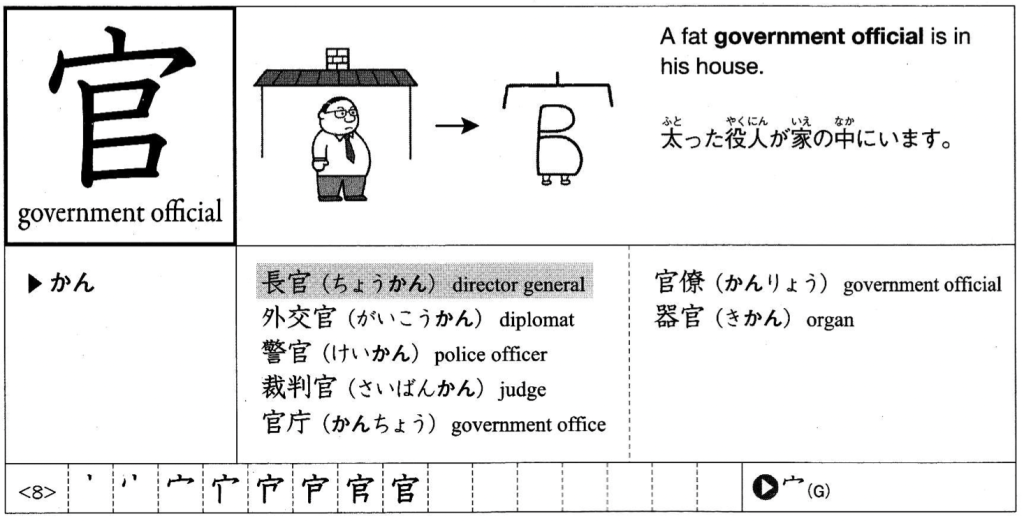
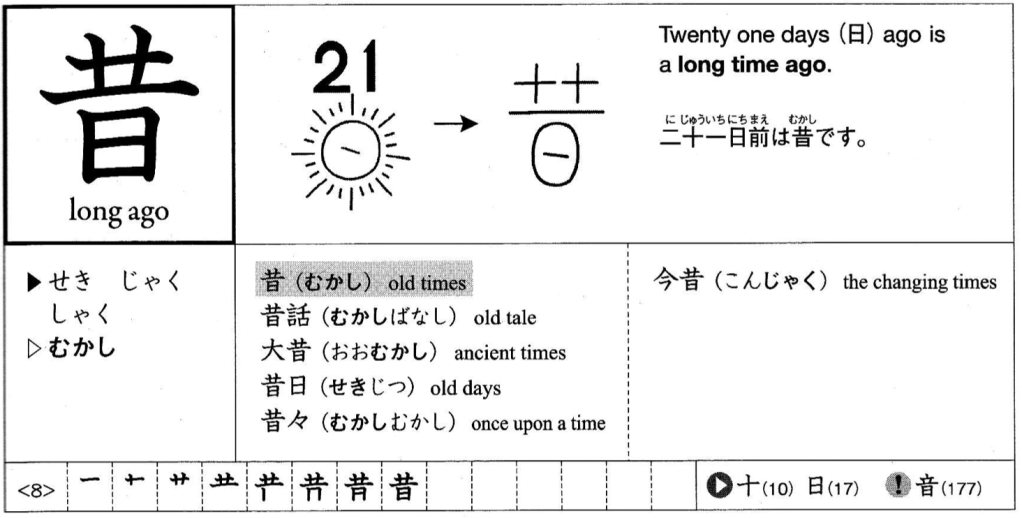
- 始まる (はじまる) – to begin, to start (page 9)
- 研究結果 (けんきゅうけっか) – results of a scientific investigation; findings (page 24)
- 無事 (ぶじ) – safety, peace (page 30)
- 有る (ある) – to have (page 24)
- 研究結果 (けんきゅうけっか) – results of a scientific investigation; findings (page 24)
- 警察官 (けいさつかん) – police officer (page 39)
- 世代 (せだい) – generation; the age (page 24)
- 職業 (しょくぎょう) – occupation; profession (page 9)
- 昔 (むかし) – olden days; former (page 24)
Set 5 (地、世、界、回、用、民、意、顔、特)


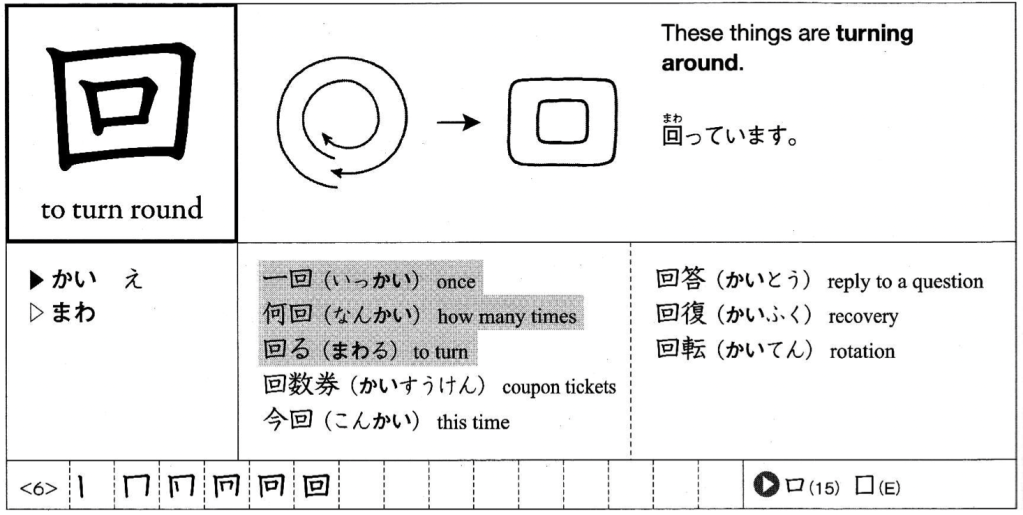


- 土地 (とち) – location, place (page 30)
- 今回 (こんかい) – this time, now (page 41)
- 悪意 (あくい) – ill will; evil intention; malice (page 13)
- 世の中 (よのなか) – society (page 9)
- 活用 (かつよう) – practical use; application (page 13)
- 笑顔 (えがお) – smiling face; smile (page 36)
- 世界 (せかい) – the world, society (page 9)
- 市民権 (しみんけん) – widespread acceptance; social recognition (page 13)
- 特異 (とくい) – unique; peculiar (page 9)
Set 6 (合、正、別、同、屋、以、場、所、発)

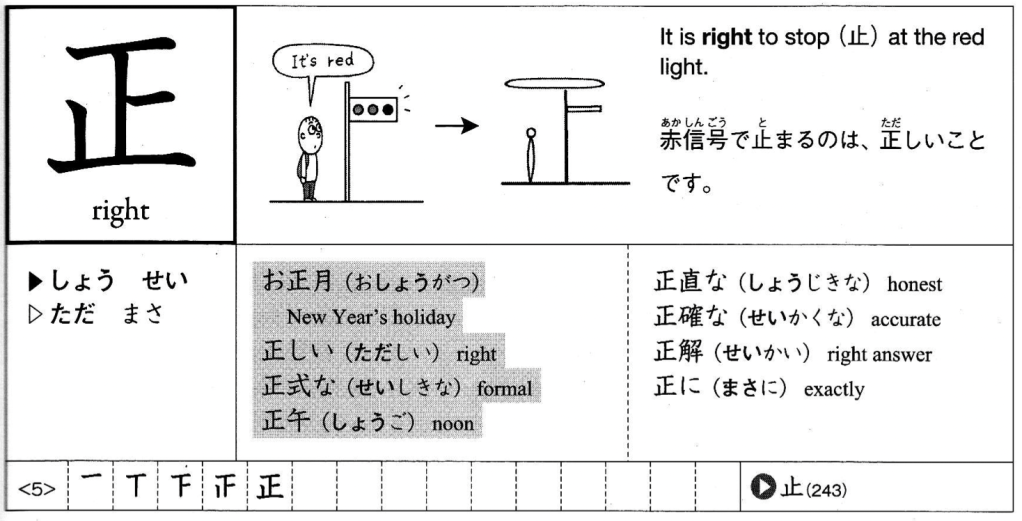
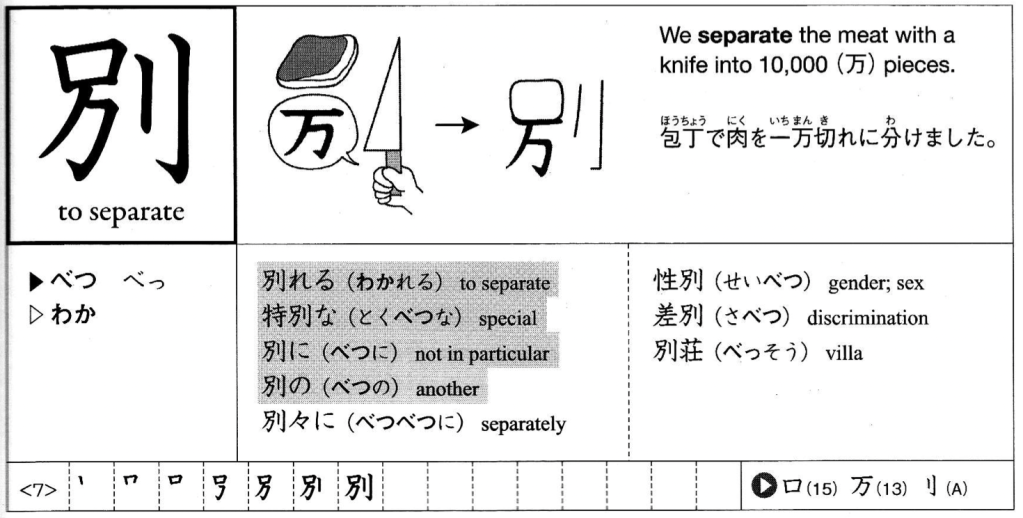
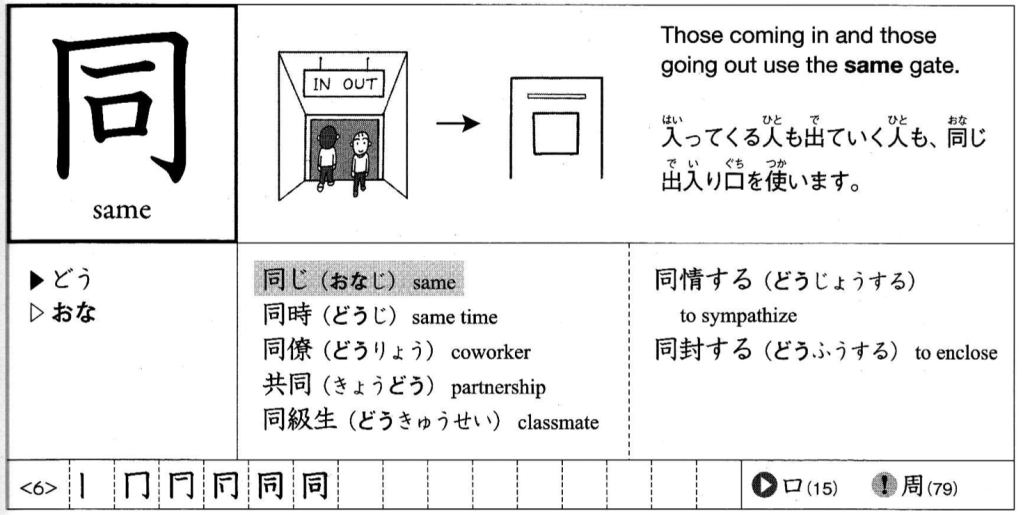

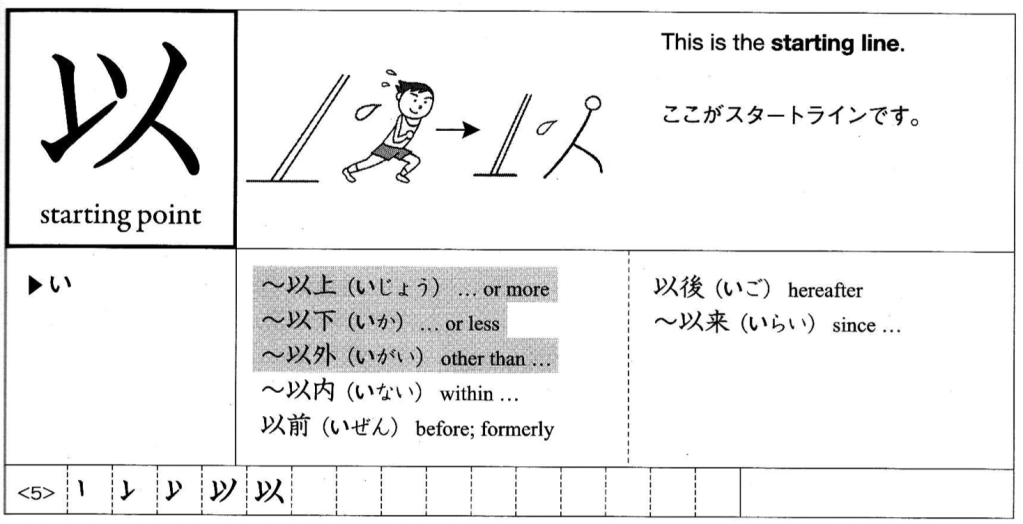

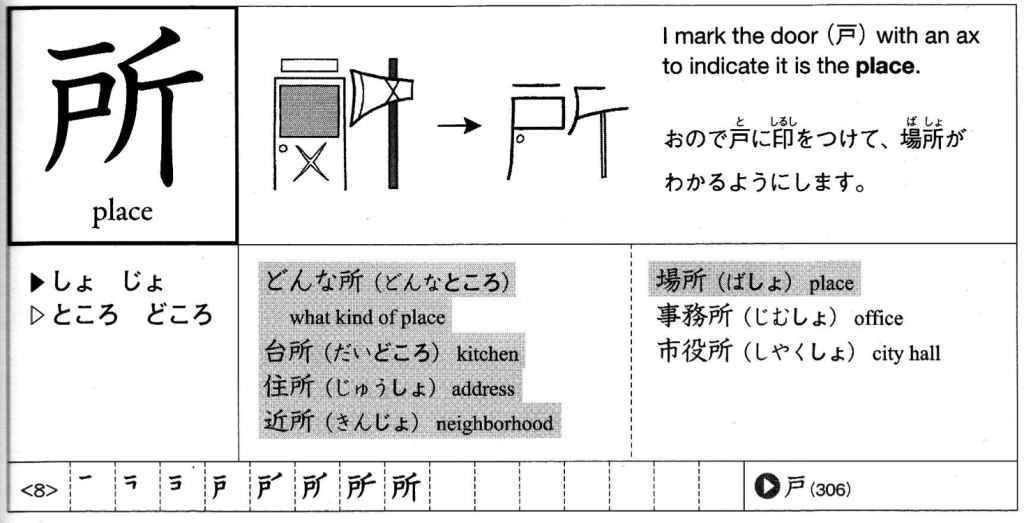

- 張り合う (はりあう) – to compete (with each other); to contend for (page 17)
- 同じ (おなじ) – same, equal, identical (page 17)
- 場 (ば) – place, spot, situation (page 58)
- 改正 (かいせい) – revision, amendment; alteration (page 13)
- 屋上 (おくじょう) – rooftop (page 21)
- 所以 (ゆえん) – reason (page 15)
- 別に (べつに) – (not) particularly; (not) especially (page 17)
- 以上 (いじょう) – seeing that … (page 5)
- 発見 (はっけん) – discovery (page 9)
Set 7 (進、物、理、楽、験、質、仕、度、使)

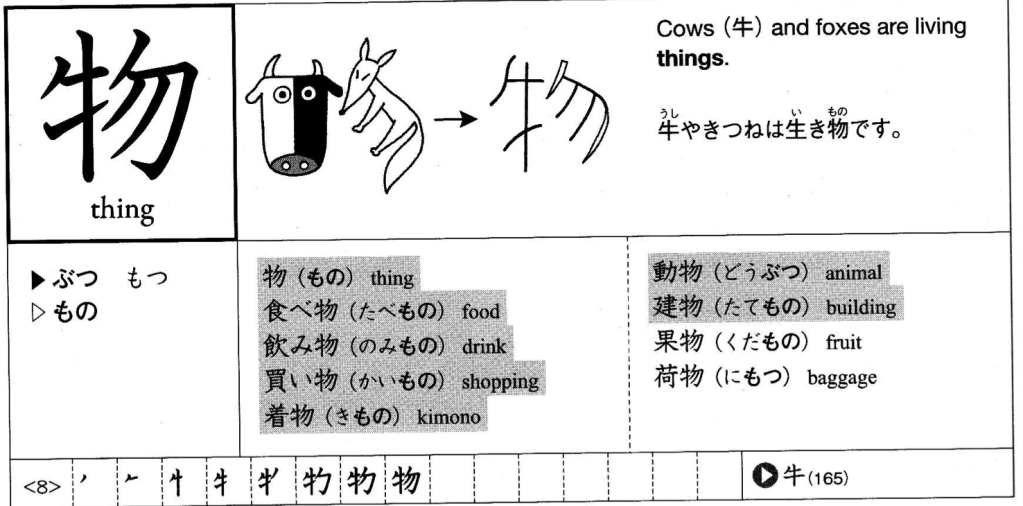
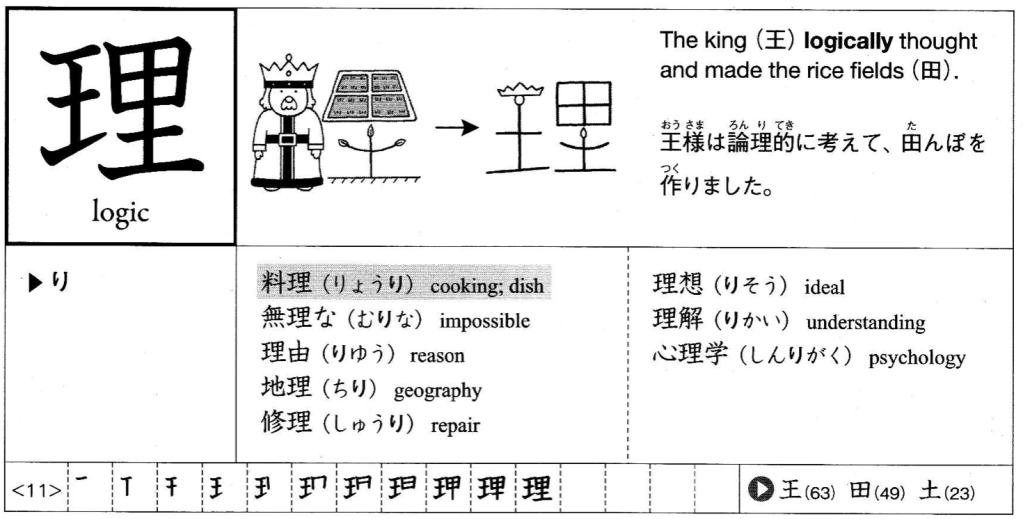

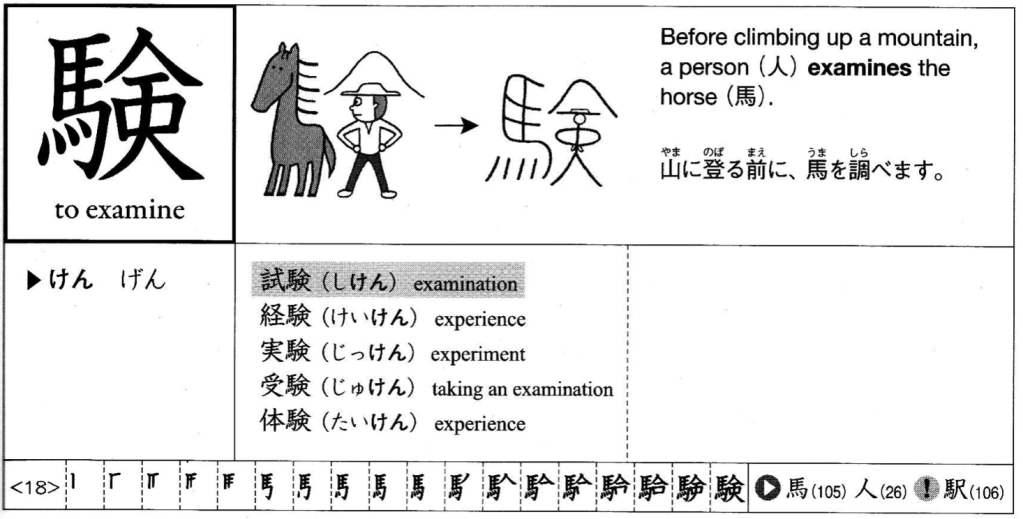


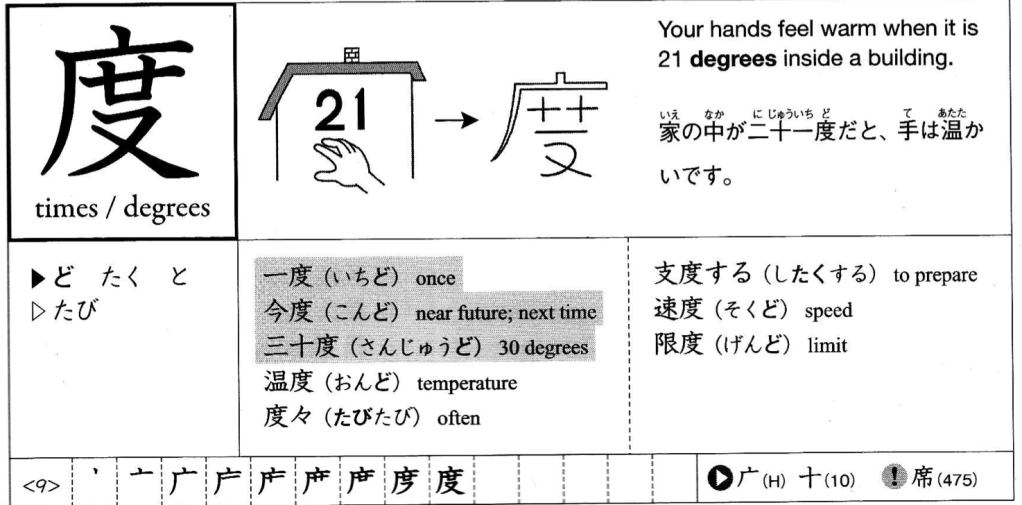
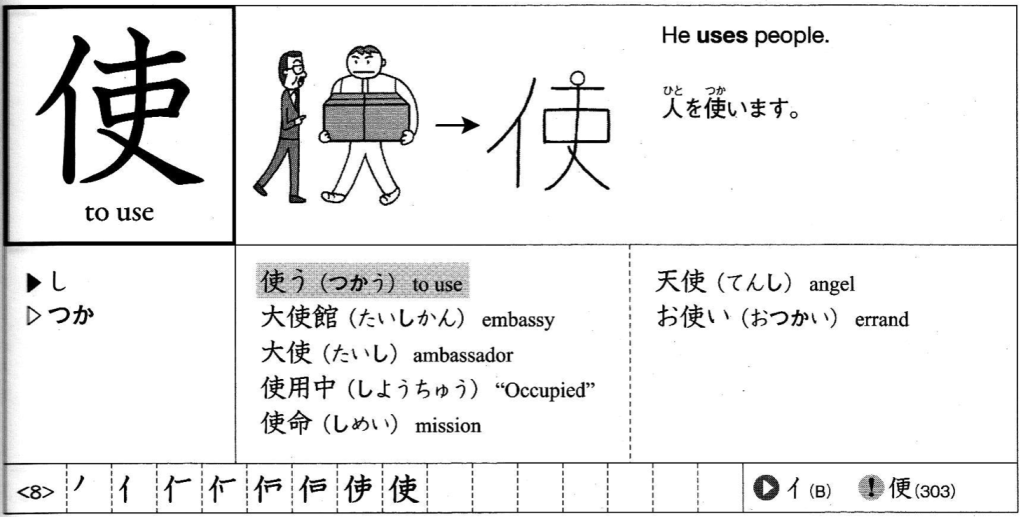
- 進める (すすめる) – to advance, to move forward (page 25)
- 楽 (らく) – ease; relief; (at) peace (page 27)
- 仕事 (しごと) – job, work, occupation (page 39)
- 物語 (ものがたり) – story; tale (page 59)
- 記念受験 (きねんじゅけん) – taking the entrance examination for a school without regard for one’s chances of passing (page 17)
- 度重なる (たびかさなる) – to repeat; to be frequent (page 37)
- 理屈 (りくつ) – theory; reason (page 50)
- 体質 (たいしつ) – constitution (physical); physical make-up (page 10)
- 使う (つかう) – to use (page 24)
Set 8 (声、押、通、軽、教)


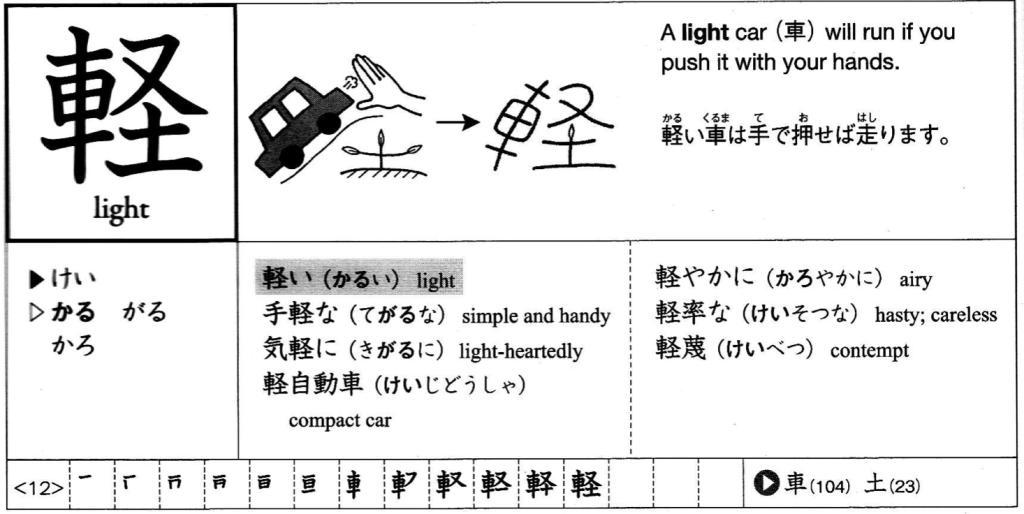

- 名声 (めいせい) – fame (page 13)
- 軽慶市 (けいけいし) – name of the city “Qing Qing City” (page 9)
- 押す (おす) – to apply pressure from above; to press down (page 13)
- 教唆 (きょうさ) instigation (page 21)
- 言う通り (いうとおり) – as (someone) says (page 56)
JLPT N3 (83 KANJI)
Set 1 (熱、個、笑、泣、怒、配、残、念、情)

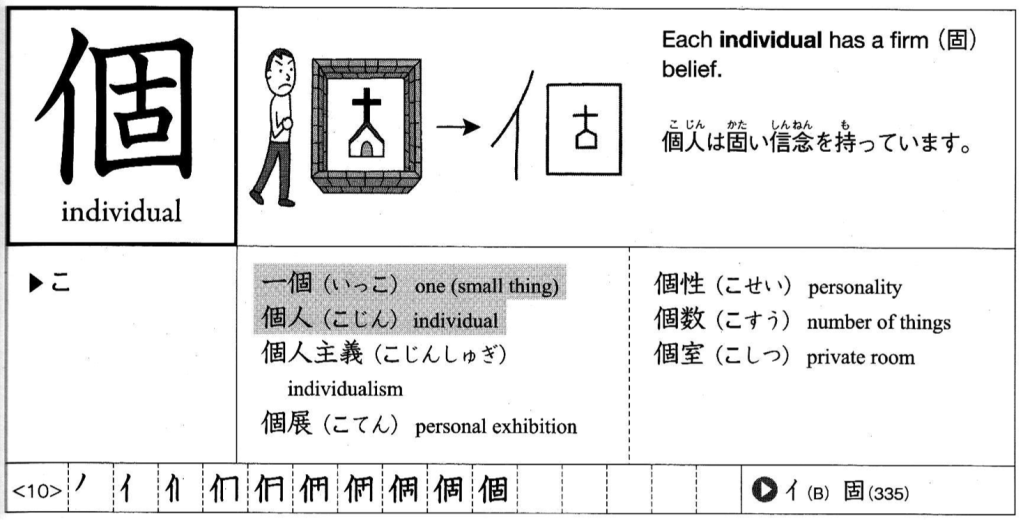
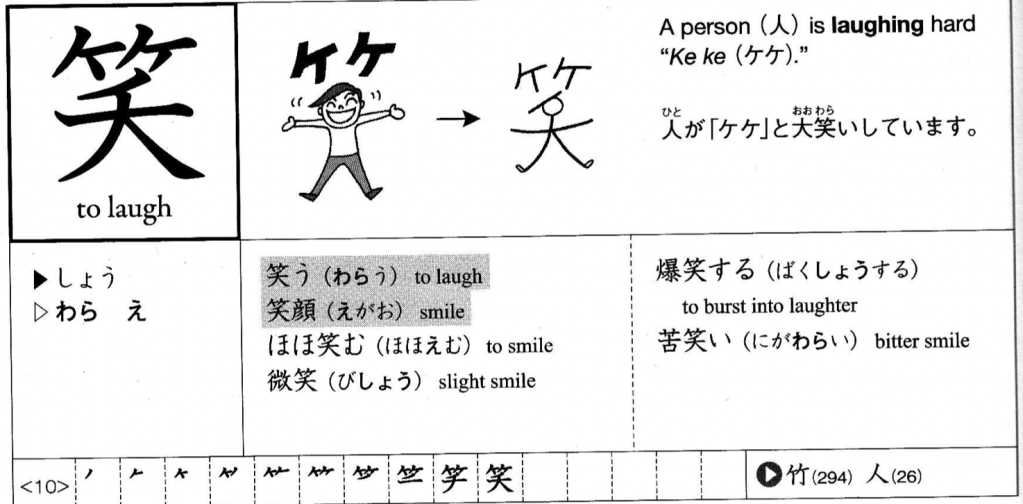


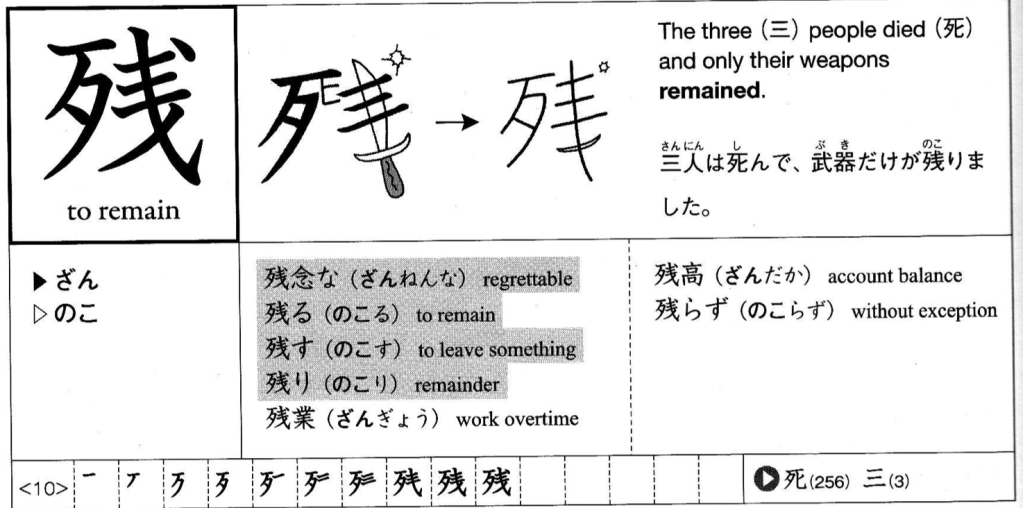
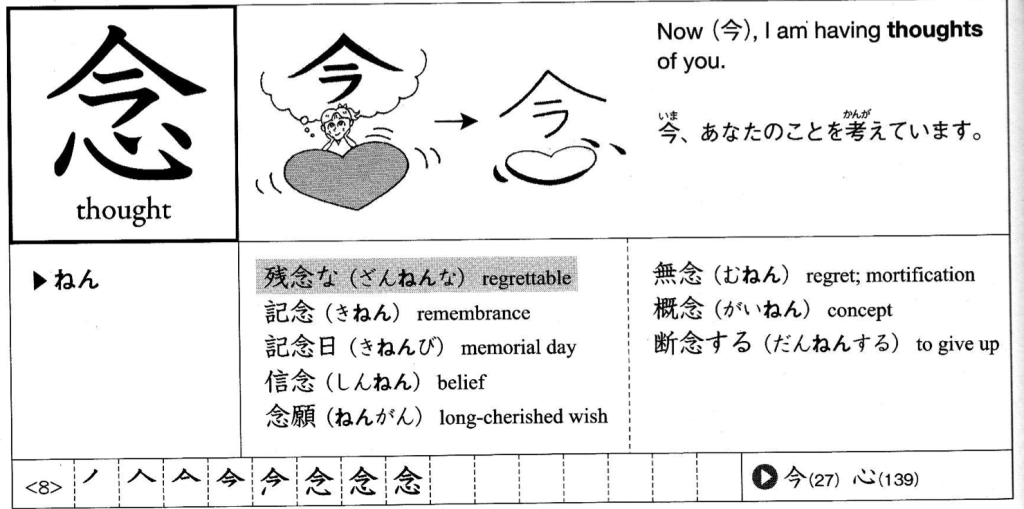

- 泣く (なく) – to cry (page 5)
- 残す (のこす) – to leave (behind), to save; to set aside (page 20)
- 熱狂 (ねっきょう) – wild enthusiasm; being crazy about, fanatism (page 32)
- 没個性 (ぼつこせい) – lack of individuality or personality (quirk) (page 17)
- 怒る (おこる) – to tell someone off; to scold, to get angry; to get mad (page 55)
- 記念受験 (きねんじゅけん) – taking the entrance examination for a school without regard for one’s chances of passing (page 17)
- 配る (くばる) – to distribute; to hand out (page 14)
- 笑顔 (えがお) – smiling face; smile (page 36)
- 情けない (なさけない) – miserable, pitiable; shameful; pathetic (page 51)
Set 2 (苦、忘、決、定、復、違、皆、彼、全)


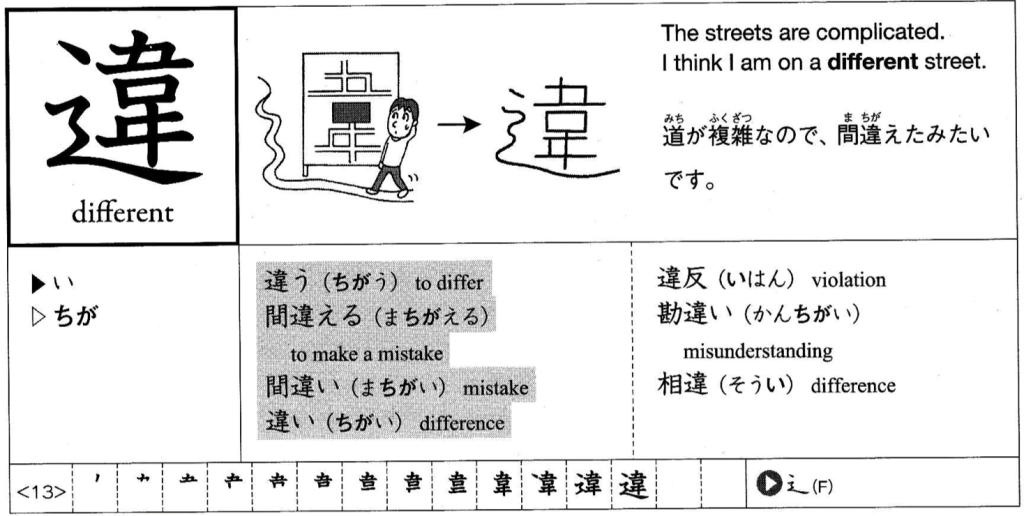


- 苦しい (くるしい) – painful (page 27)
- 規定 (きてい) – rule, regulation (page 17)
- 皆 (みんな) – everyone; everybody; all (page 14)
- 言い忘れる (いいわすれる) – to forget to say; to forget to mention (page 59)
- 報復 (ほうふく) – revengerevenge (page 40)
- 彼 (かれ) – he (page 20)
- 決める (きめる) – to decide (page 25)
- 違う (ちがう) – to be wrong; to be mistaken (page 17)
- 全然 (ぜんぜん) – not at all, not in the slightest (page 17)
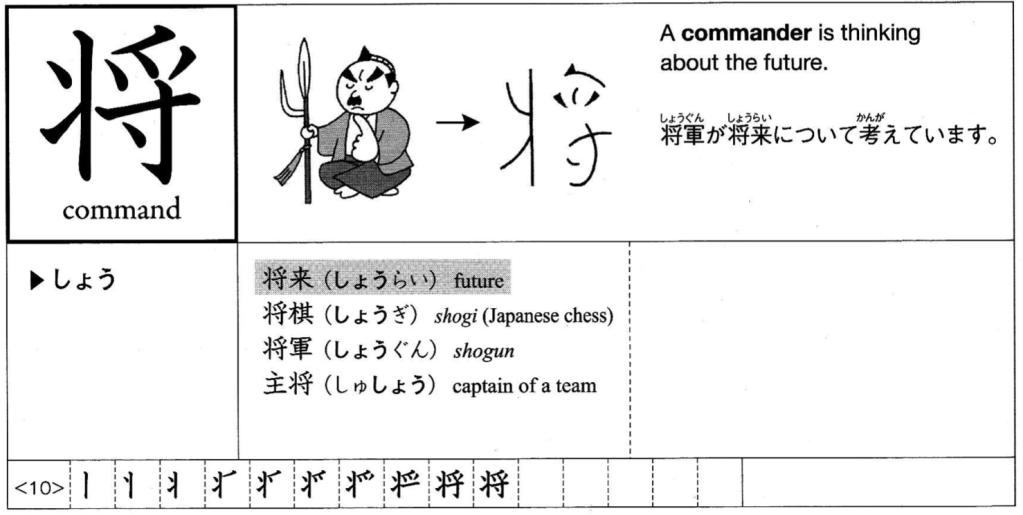
Set 3 (平、必、要、届、利、活、和、戦、将)


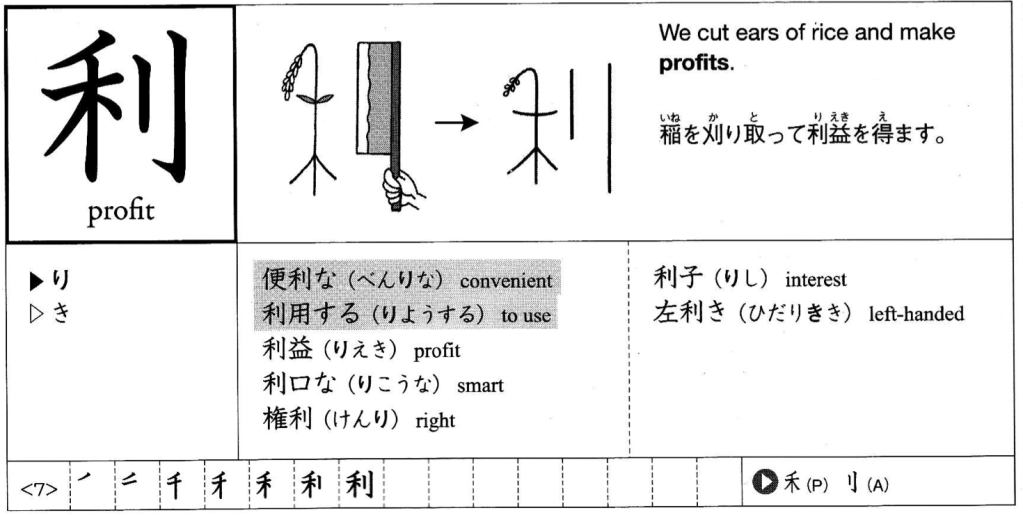
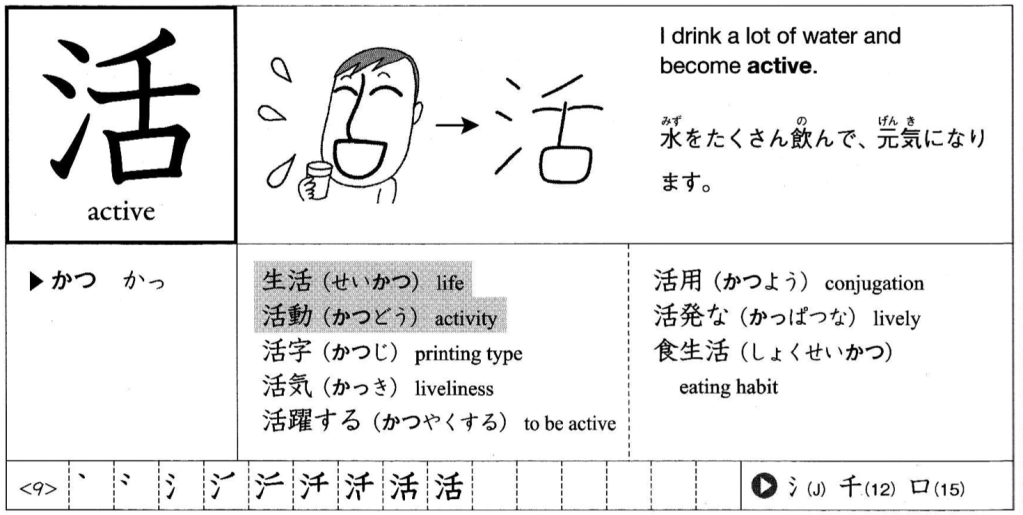
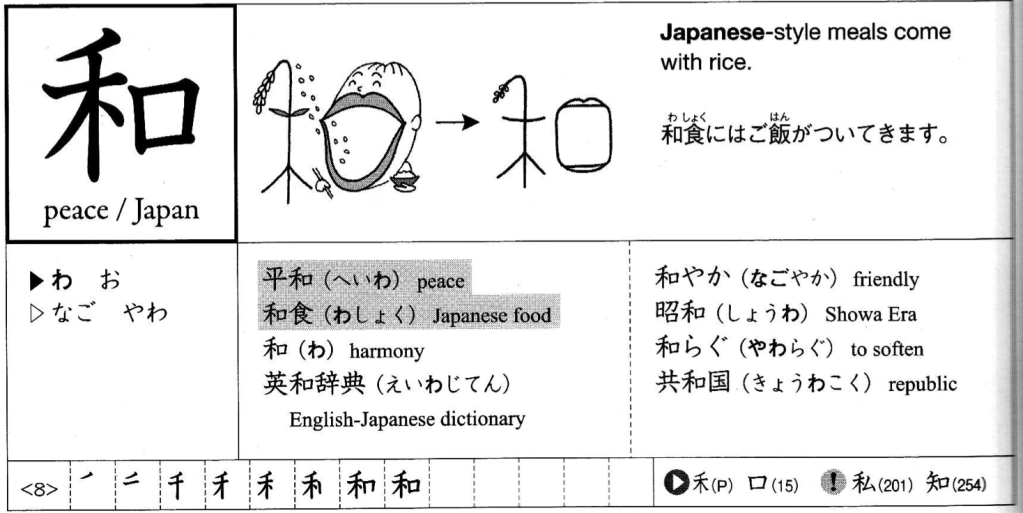
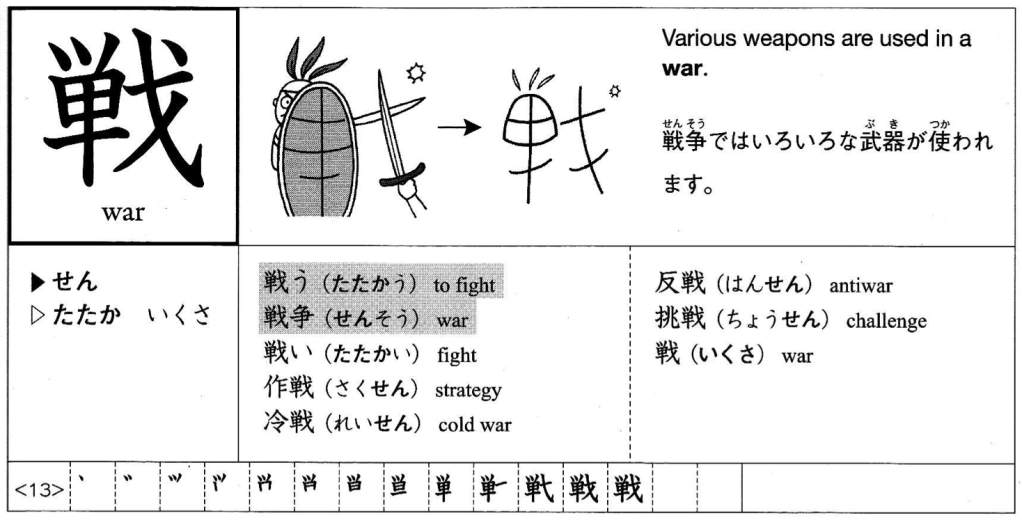
- 平等 (びょうどう) – equality (page 5)
- 届ける – to deliver, to report; to notify (page 31)
- 平和 (へいわ) – peace, harmony (page 38)
- 必要 (ひつよう) – necessary; needed; essential (page 24)
- 有利 (ゆうり) – advantageous; favourable (page 42)
- 戦う (たたかう) – to fight (page 10)
- 必要 (ひつよう) – necessary; needed; essential (page 24)
- 活躍 (かつやく) – great efforts; active participation (page 13)
- 将来 (しょうらい) – future (page 13)
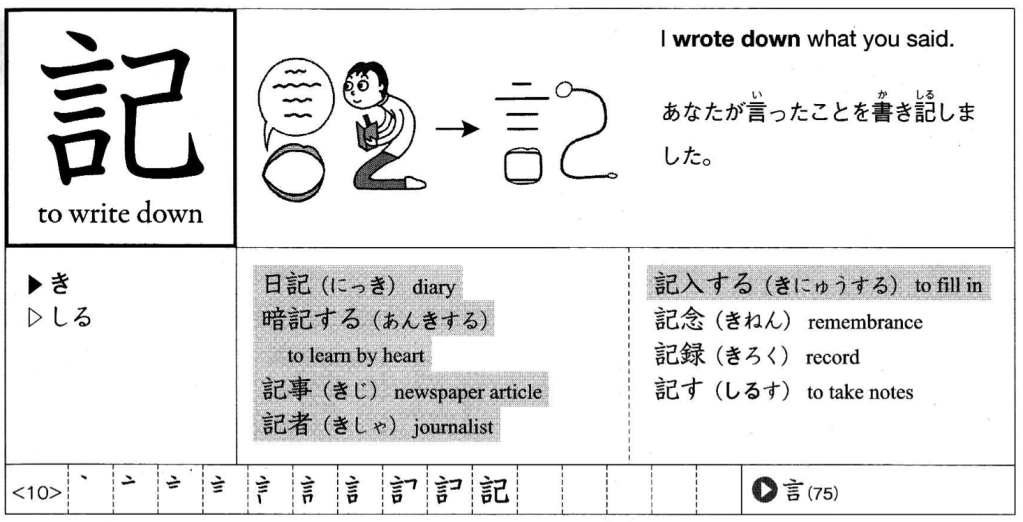
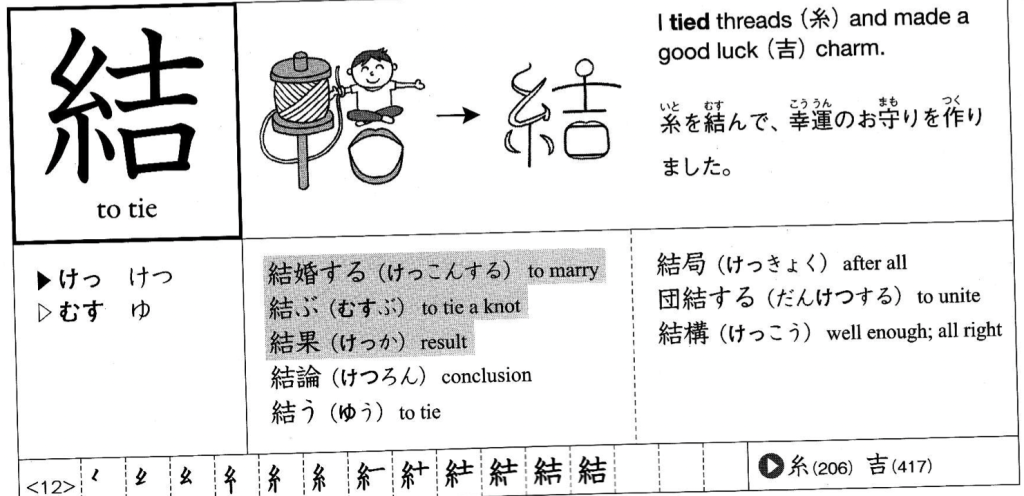
Set 4 (公、込、葉、記、結、性、取、最、々)
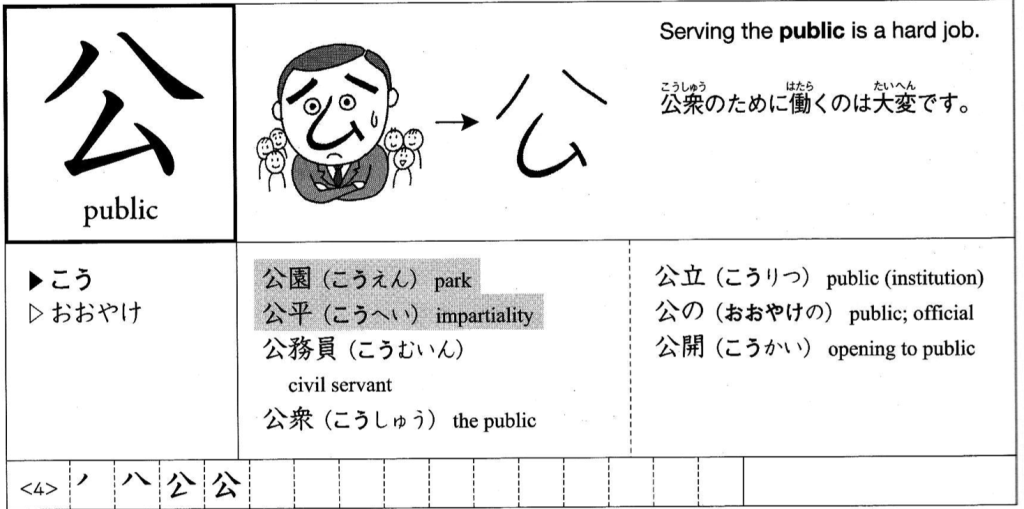


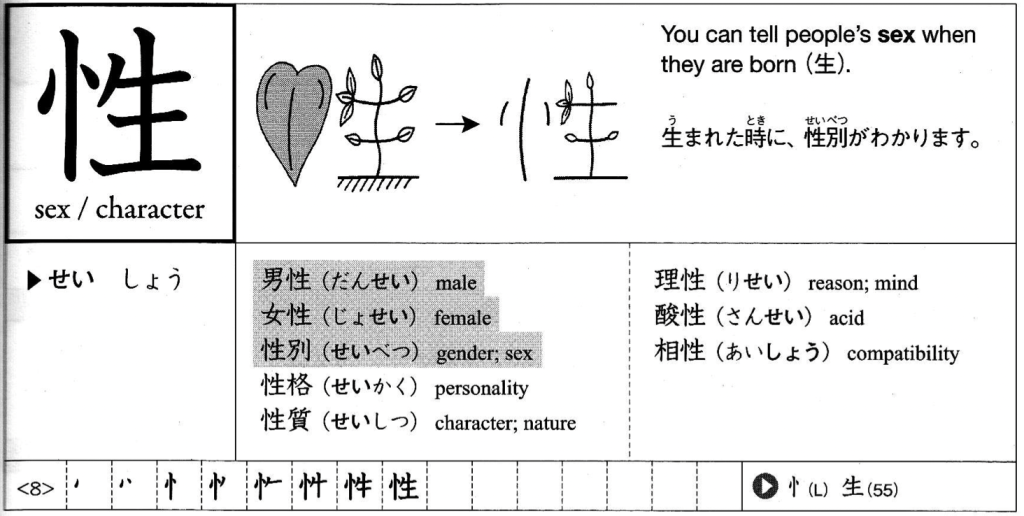
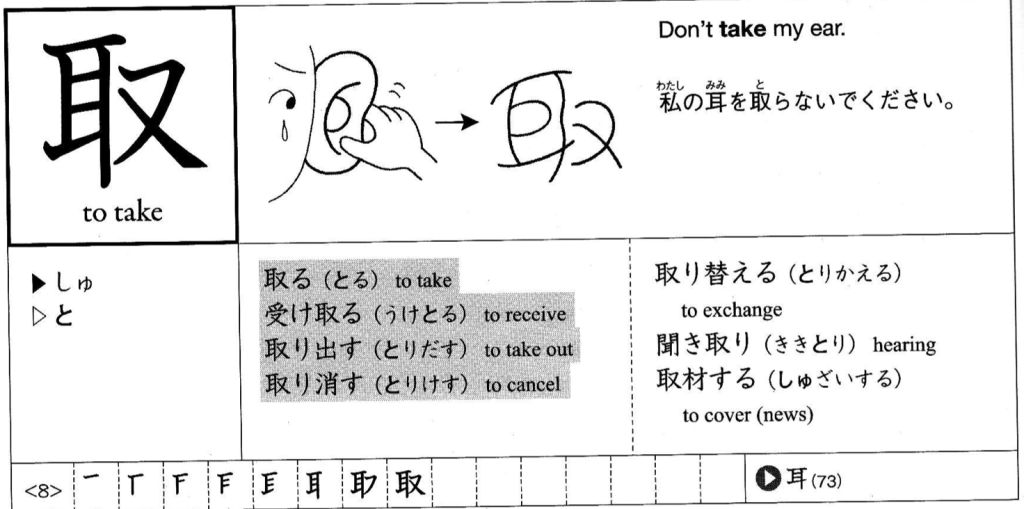


- 公表 (こうひょう) – official announcement; proclamation (page 38)
- 記念受験 (きねんじゅけん) – taking the entrance examination for a school without regard for one’s chances of passing (page 17)
- 取材陣 (しゅざいじん) – group of reporters (page 57)
- 巻き込む (まきこむ )- to involve; to drag into (page 30)
- 研究結果 (けんきゅうけっか) – results of a scientific investigation; findings (page 24)
- 最初 (さいしょ) – first (page 6)
- 言葉 (ことば) – words (page 58)
- 没個性 (ぼつこせい) – lack of individuality or personality (quirk) (page 17)
- 色々 (いろいろ) various; all sorts of (page 50)
Set 5 (勝、負、賛、成、続、約、的、申、相)

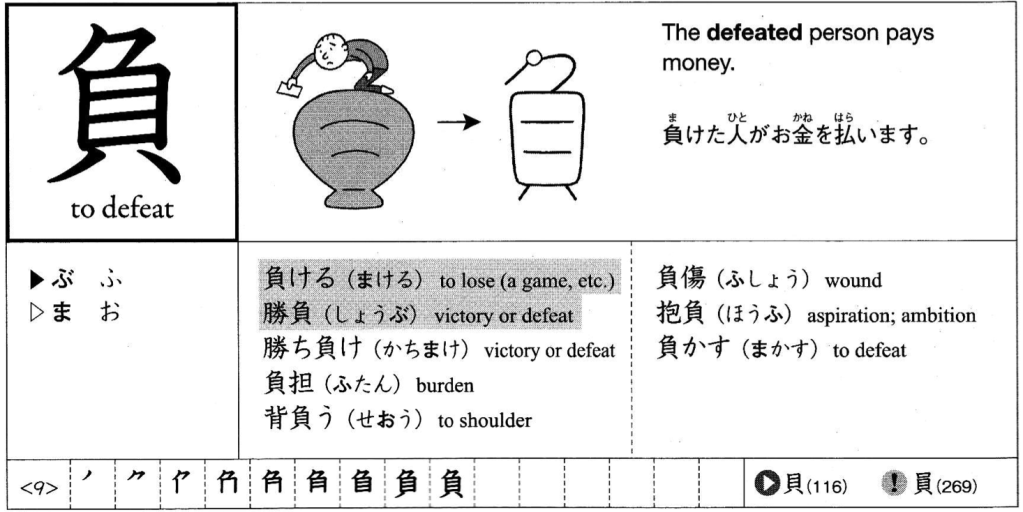
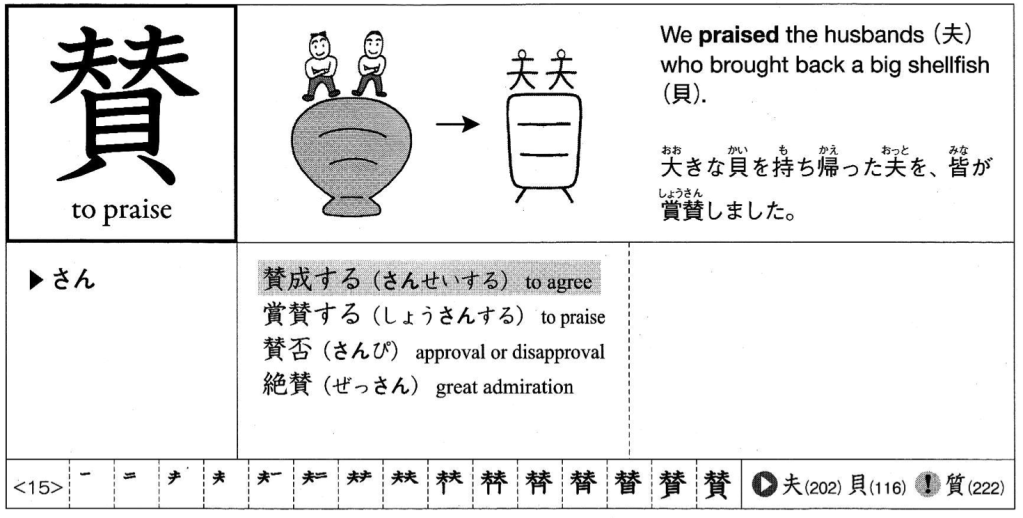
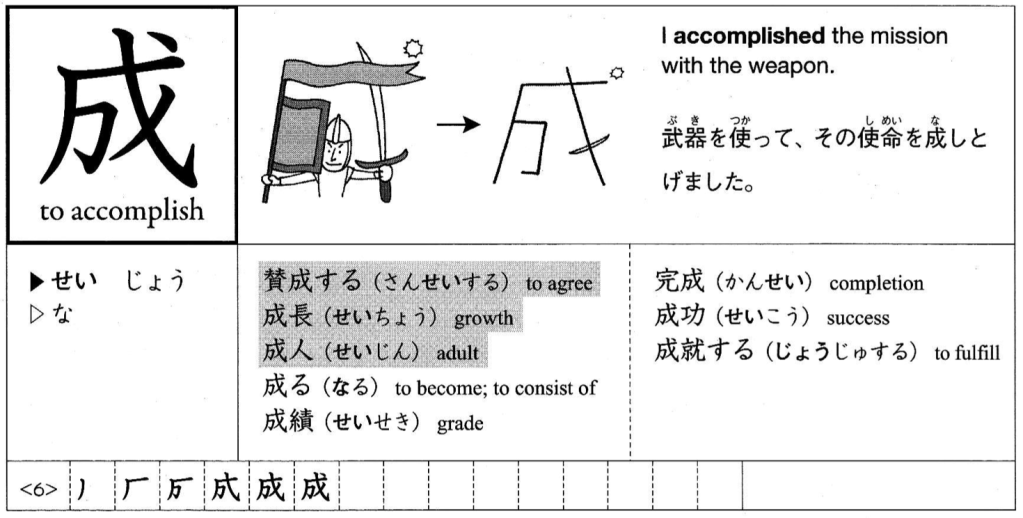
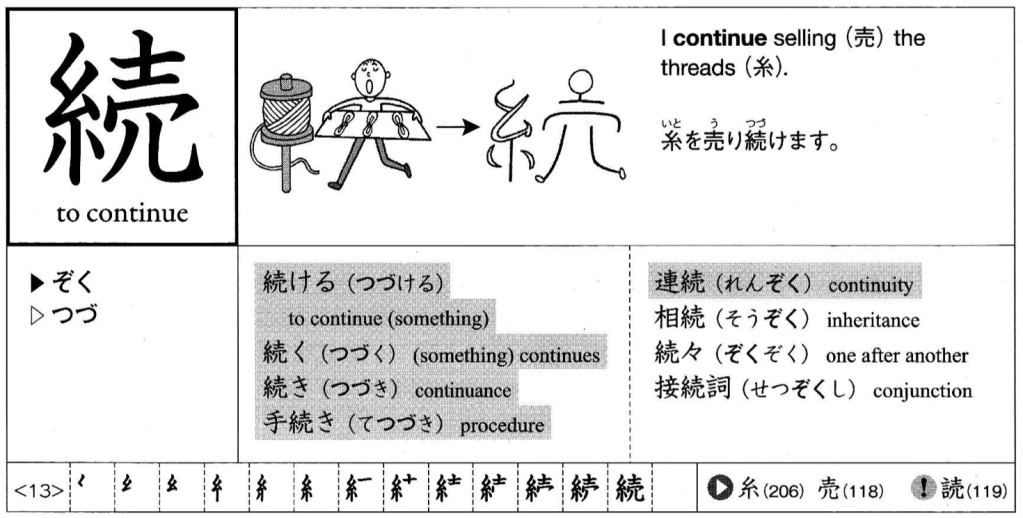

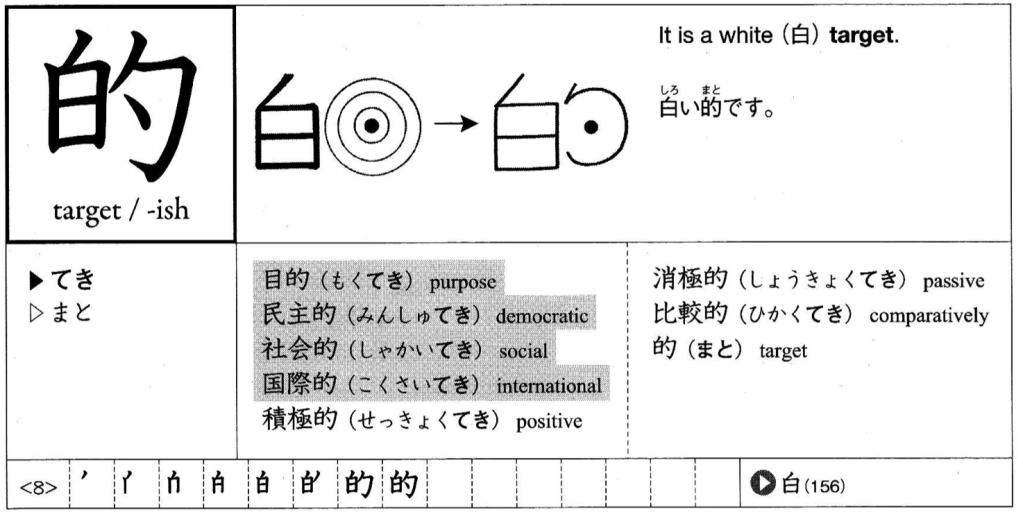
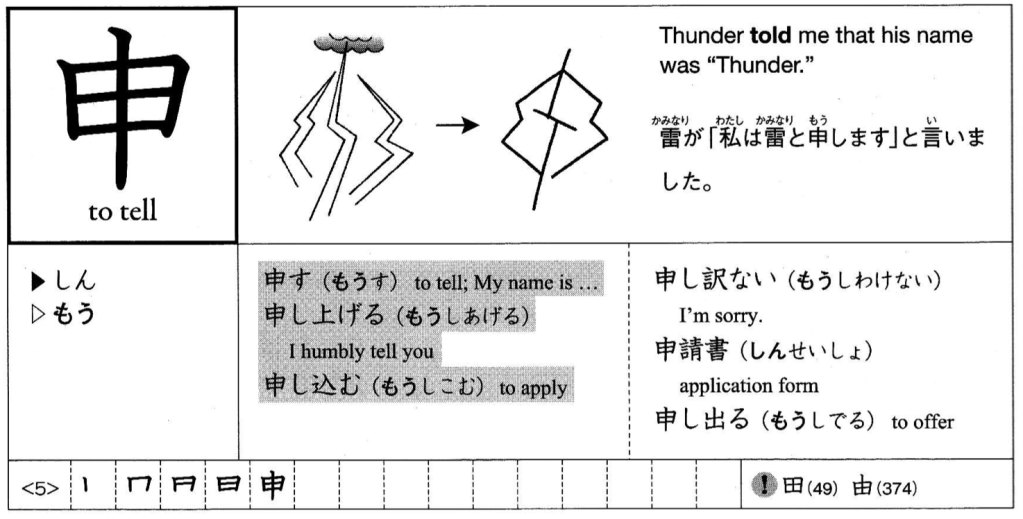

- 足が勝手 (あしがかって) – rough meaning “legs moved on their own” (page 50)
- 相成る (あいなる) – formal of “なる” – to become (page 12)
- 爆発的 – explosive, rapid, sudden (page 13)
- 負う (おう) – to receive (wound); to incur (damage); to be injured (page 37)
- 続ける (つづける) – to continue; to keep up; to keep on (page 37)
- Mt.レディと申します – My name is Mt.レディ! (page 12)
- 称賛 (しょうさん) – praise; admiration (page 55)
- 約八割 (やくはちわり) – about 80% (page 9)
- 相成る (あいなる) – formal of “なる” – to become (page 12)
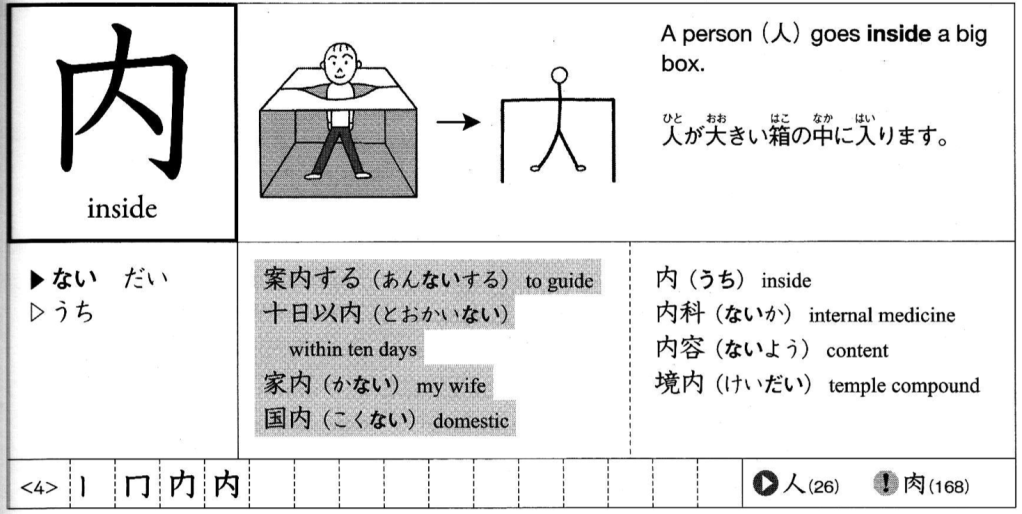
Set 6 (放、達、険、君、危、降、吸、内、変)



- 君 (きみ) – you (page 30)
- 放す (はなす) – to release; to let go (page 32)
- 呼吸器官 (こきゅうきかん) – respiratory organs (page 37)
- ヒーロー達 (ヒーローたち) – heros (plural) (page 55)
- 危険 (きけん) – danger (page 55)
- 内申 (ないしん) – confidential report (page 33)
- 危険 (きけん) – danger (page 55)
- 以降 (いこう) – from … onward; since (page 9)
- 変わる (かわる) – to change, to be transformed; to be altered (page 55)
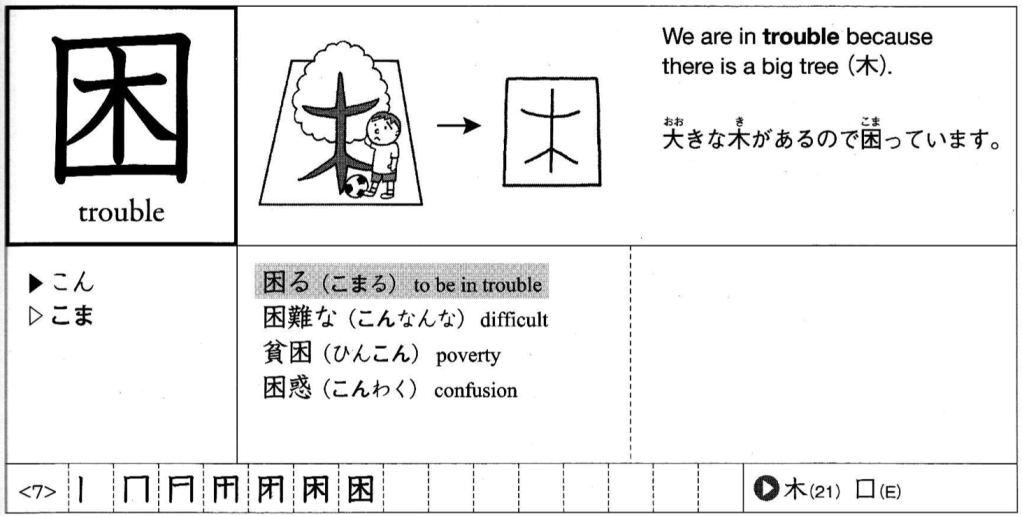
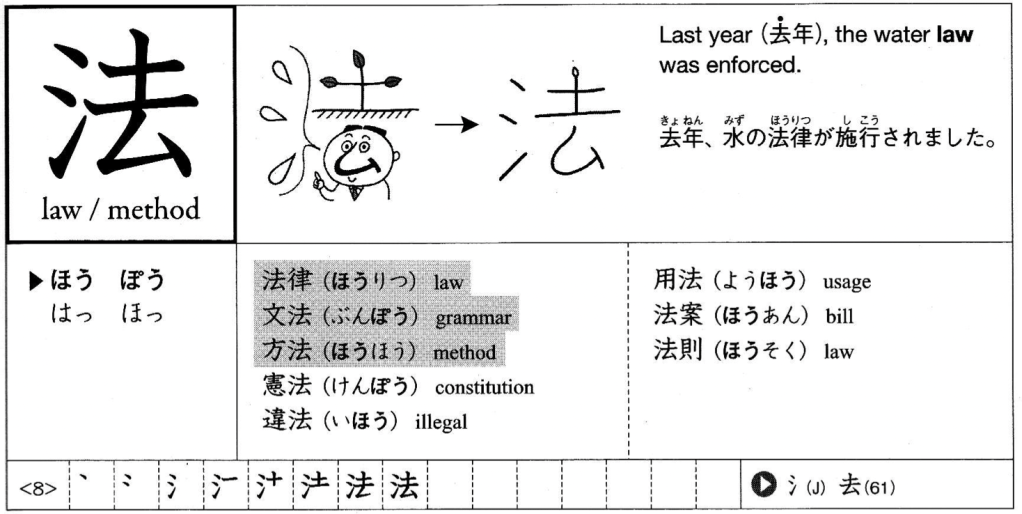
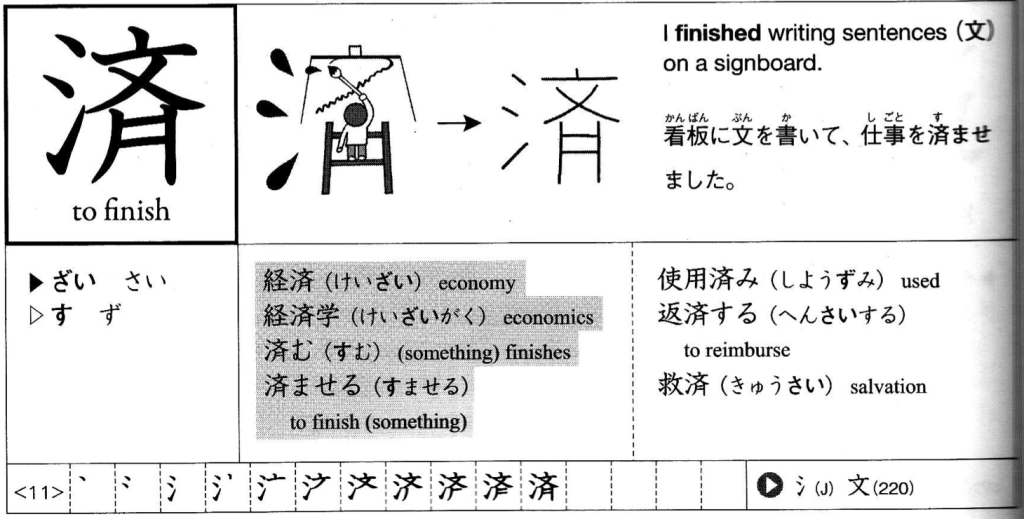
Set 7 (直、当、細、無、果、困、受、法、済)



- 直接 (ちょくせつ) – direct; immediate; personal (page 32)
- 無個性 (むこせい) – “quirkless” (page 17)
- 記念受験 (きねんじゅけん) – taking the entrance examination for a school without regard for one’s chances of passing (page 17)
- 本当 (ほんとう) – truth (page 17)
- 研究結果 (けんきゅうけっか) – results of a scientific investigation; findings (page 24)
- 方法 (ほうほう) – method, process (page 21)
- 細い (ほそい) – thin, slender (page 36)
- 困る (こまる) – to be troubled; to have difficulty (page 24)
- 済む (すむ) – to end, to finish, to complete (page 19)
Set 8 (係、夢、関、共、階、歳、形、付、消)
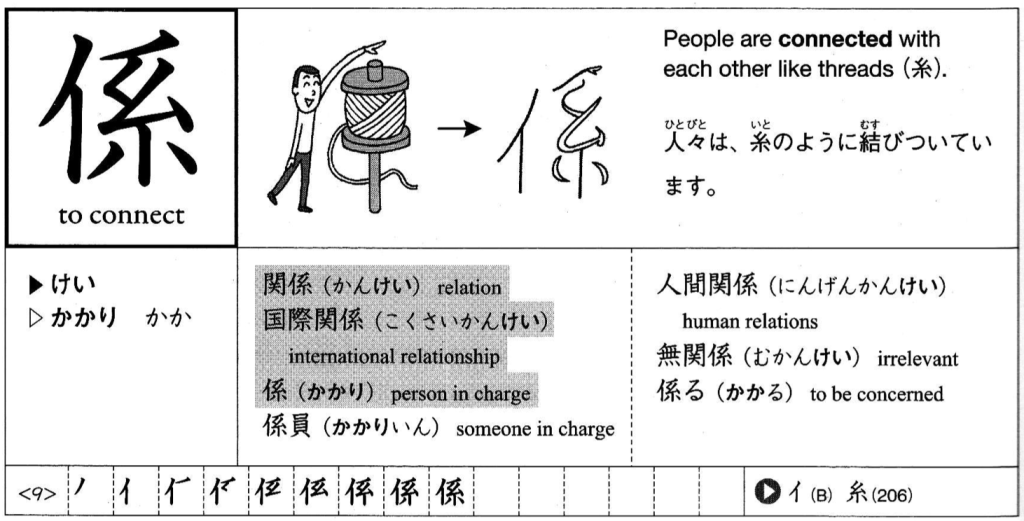

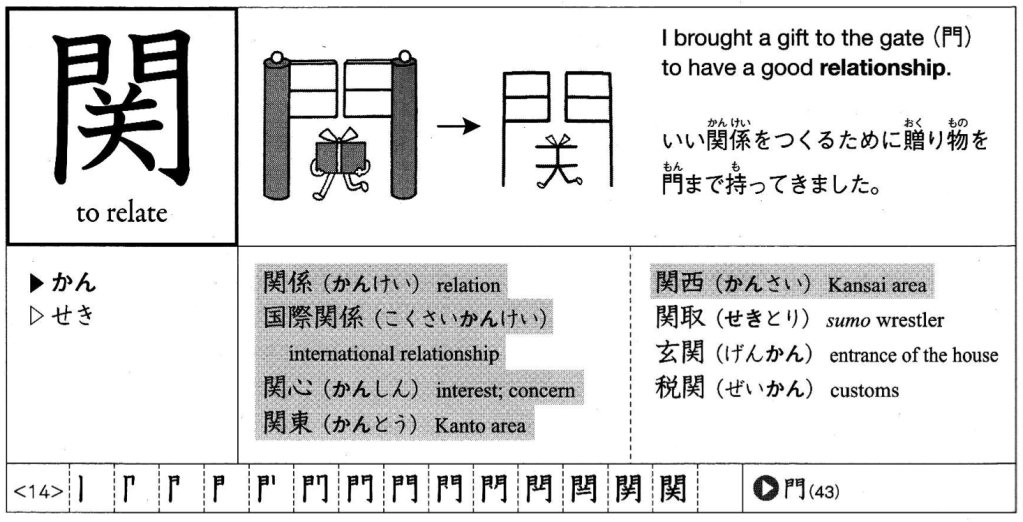


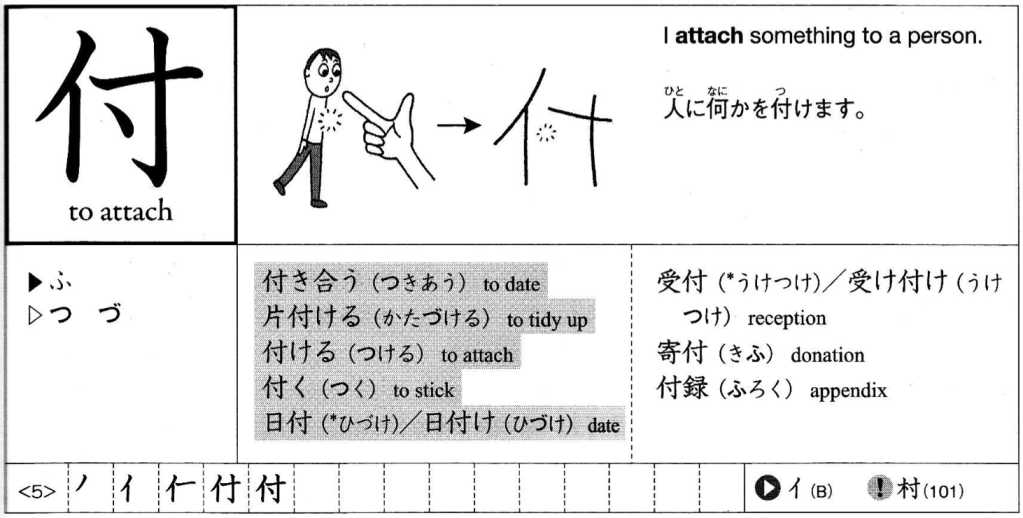

- 係 (がかり) – person in charge; official; clerk (page 39)
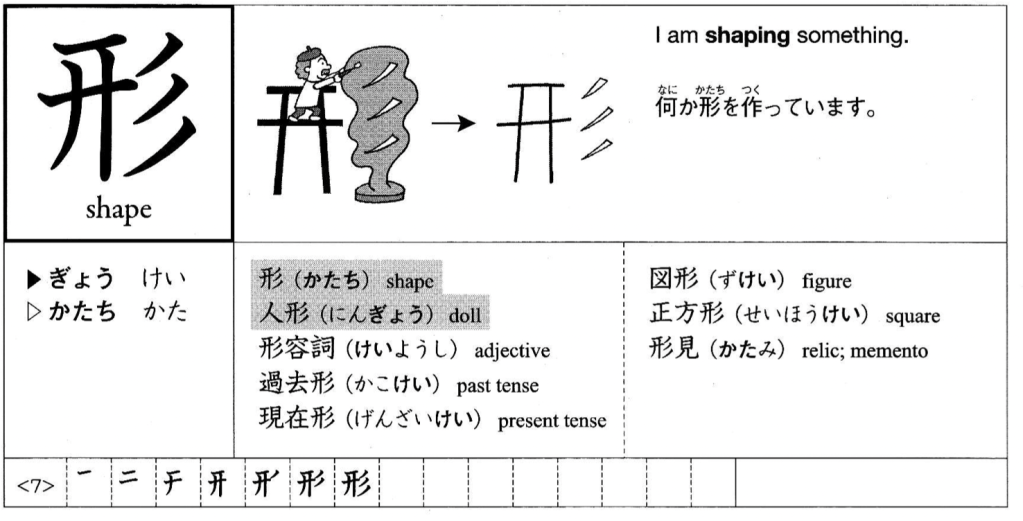
- 形 (かたち) – form, figure (page 13)
- “没個性”共 (ぼっこせいども) – 共 – second or third person plural (implies speaker is of higher status than those referred to) (page 15)
- 夢見る (ゆめみる) – to dream of (page 39)
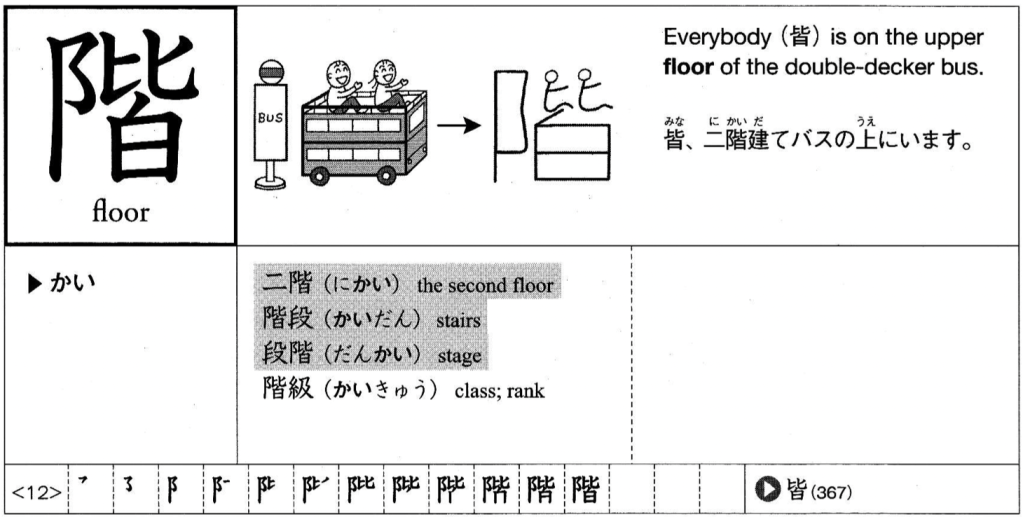
- 階下 (かいか) – downstairs (page 34)
- 箔を付ける (はくをつける) – to give something weight; to give something dignity (page 20)
- 関節 (かんせつ) – joint (knee, elbow, etc.) (page 24)
- 四歳 (よんさい) – four years old (page 24)
- 消防車 (しょうぼうしゃ) – fire engine, fire truck (page 41)
Set 9 (辛、義、初、園、奥、他、失、信、飛)


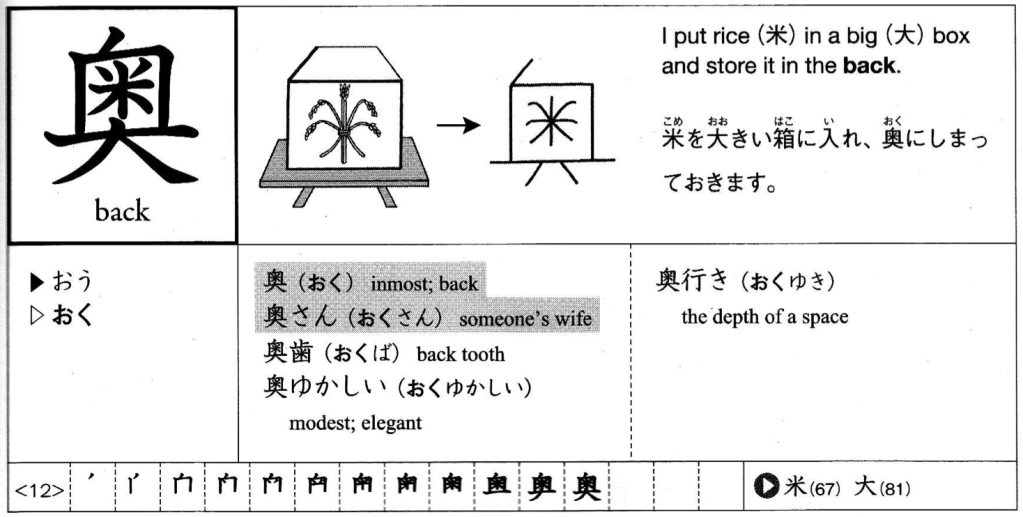


- 辛え状況 (づれえじょうきょう) – rough meaning “painful situation” (page 41)
- 幼稚園 (ようちえん) -kindergarten (page 23)
- 失礼 (しつれい) – excuse me (page 23)
- 奥さん (おくさん) – wife, married lady, madam (page 23)
- 完璧主義 (かんぺきしゅぎ) – perfectionism (page 20)
- 信じる – to believe, to have faith (page 21)
- 初めて (はじめて) – first time; (one’s) first (page 20)
- 他に (ほかに) – besides (page 41)
- 吹き飛ばす (ふきとばす) – to blow away (page 42)
Set 10 (倍、治)
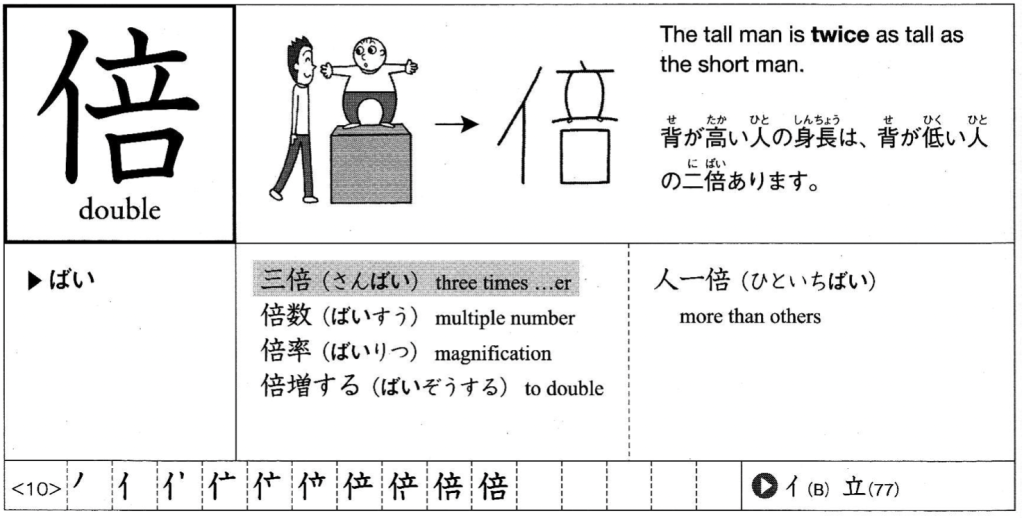

- 倍率 (ばいりつ) – competitiveness rating (e.g. for university entrance); applicant-to-acceptance ratio, acceptance rate (page 15)
- 退治 (たいじ) – extermination (e.g. of pests, demons, bandits) (page 30)
Why do some hiragana doesn’t match kanji?
You probably noticed that 敵 (enemy) is written like ヴィラン or next to 人質 (hostage) it says こども. This is just a stylistic choice. We found this post that explains it really well: https://tvtropes.org/pmwiki/pmwiki.php/Main/AlternateCharacterReadin
Homework
After you’ve learned all the words you wanted, we advice you to watch the anime. Once again, it is only first 2 episodes for the chapter 1.
A great listening practice would be: writing out all the words that you’ve learned and ticking them off when you hear that.
We also found this great resource that gives you transcripts of the first 2 episodes in Japanese, English, and even romaji! https://transcribedanimescripts.tumblr.com/post/639931273237905408/my-hero-academia-master-list
Please leave your feedback below, as we are constantly looking to improve. If you have any questions, or suggestions, or you found a mistake you can email us on annasan@365nihongo.com or adminsan@365nihongo.com . You can also join our discord to discuss this page our ask questions: https://discord.gg/r9DTSqMtQv


 365 Nihongo